
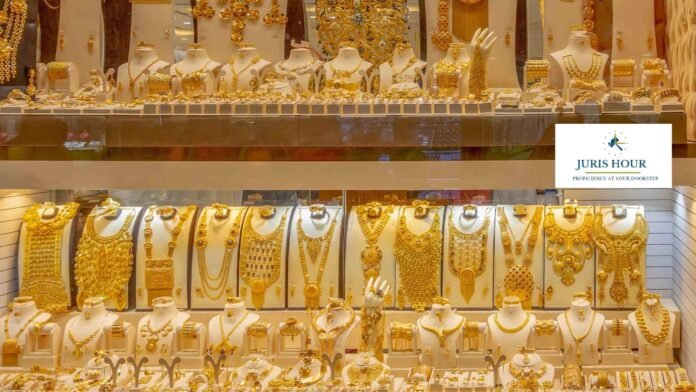
In a significant move aimed at conserving foreign exchange reserves and curbing non-essential imports, the Government of India has sharply increased the effective import duty on gold and silver from 6% to 15%. The decision, announced on May 13, 2026, is expected to push domestic bullion prices substantially higher and make gold and silver jewellery more expensive for consumers across the country.
Why the Government Increased Import Duty?
India is one of the world’s largest consumers of gold and silver but depends heavily on imports to meet domestic demand. In FY 2025-26, India reportedly spent around $84 billion on imports of these precious metals. At a time when global crude oil prices are elevated and the Indian rupee is under pressure, the government has opted to discourage gold and silver imports to reduce the outflow of foreign currency.
The duty hike follows Prime Minister Narendra Modi’s public appeal urging citizens to avoid non-essential gold purchases for a year as part of broader austerity measures.
Revised Duty Structure
The effective import duty now consists of:
| Component | Earlier | Revised |
| Basic Customs Duty (BCD) | 5% | 10% |
| Agriculture Infrastructure and Development Cess (AIDC) | 1% | 5% |
| Total Effective Customs Duty | 6% | 15% |
In addition to the above, a 3% Integrated GST (IGST) continues to apply on imports.
The revised rates are effective immediately and also apply to platinum and certain jewellery components such as hooks, clasps, and connectors.
Immediate Impact on Gold and Silver Prices
The announcement triggered an immediate rally in domestic bullion prices:
- Gold surged by over ₹8,500 per 10 grams.
- Silver jumped by more than ₹20,000 per kilogram.
- MCX gold and silver futures hit the upper circuit soon after trading opened.
Large jewellery retailers, including Titan Company (which operates Tanishq), Kalyan Jewellers, Senco Gold, and Malabar Gold & Diamonds, reportedly revised prices upward soon after the duty change.
How Much More Will Consumers Pay?
The increase in import duty directly raises the landed cost of bullion, which is eventually passed on to consumers.
Illustration
If the pre-duty value of gold jewellery is ₹1,00,000:
| Particulars | Earlier | Now |
| Import Duty | ₹6,000 | ₹15,000 |
| Increase | — | ₹9,000 |
After adding charges and GST, the final retail price could be significantly higher.
For wedding purchases, where families often buy substantial quantities of gold, the increase can materially affect budgets.
Impact on Jewellery Buyers
1. Weddings and Festive Purchases Become Costlier
Consumers planning purchases for weddings, Akshaya Tritiya, or Diwali may need to allocate more funds.
2. Shift Toward Lighter Jewellery
Demand may move toward lower-weight and minimalist designs.
3. Increased Use of Exchange and Recycling
Many buyers may choose to exchange old jewellery rather than purchase entirely new pieces.
4. Preference for Lower Purity Options
Some consumers may opt for 18K instead of 22K jewellery to reduce costs.
Industry Reaction
The jewellery industry expects a short-term slowdown in demand.
According to the India Bullion and Jewellers Association (IBJA), gold demand could decline by around 10% in the near term as buyers reassess purchases.
Analysts note that investment demand through gold ETFs may remain resilient even if physical jewellery demand softens.
Silver Buyers Also Affected
The duty hike applies equally to silver, impacting:
- Silver coins and bars
- Silver utensils
- Silver jewellery
- Industrial silver users
India is the world’s largest silver consumer, and higher duties could influence both retail and industrial demand.
Likely Rise in Smuggling
One concern arising from higher tariffs is the potential resurgence of illegal imports.
Historically, steep import duties have encouraged gold smuggling into India. Industry experts warn that the increased duty differential could make unauthorized imports more profitable again.
Impact on Jewellery Stocks
Shares of listed jewellery companies were closely watched after the announcement.
In the short term:
- Retail volumes may slow.
- Margins could face pressure.
- Consumer sentiment may weaken.
Over time, organized retailers may gain market share if buyers prioritize transparency and hallmark-certified jewellery.
Why Demand May Still Hold Up
Despite higher prices, gold remains deeply embedded in Indian households as:
- A traditional store of value
- A hedge against inflation
- A key part of weddings and religious customs
As Reuters noted, past duty hikes have rarely caused a sustained collapse in demand because of gold’s cultural and financial importance.
Tips for Consumers
Buy Only If Necessary
If the purchase is not time-sensitive, monitoring prices over the next few weeks may help.
Recycle Existing Jewellery
Exchange old ornaments to reduce fresh cash outflow.
Compare Making Charges
Negotiating making charges can meaningfully reduce the total bill.
Consider Sovereign Gold Bonds or ETFs
For investment purposes, financial gold products can avoid storage and making costs.
Broader Economic Objective
The government’s move is designed to:
- Reduce non-essential imports
- Preserve foreign exchange reserves
- Narrow the current account deficit
- Support the Indian rupee
By making bullion imports more expensive, policymakers hope to reduce demand and moderate dollar outflows.
Conclusion
The sharp increase in import duty on gold and silver to 15% marks one of the most significant changes in India’s bullion taxation in recent years. While the measure is intended to protect the economy and conserve foreign exchange, consumers are likely to face noticeably higher jewellery prices.
For households planning weddings or festive purchases, the change could add thousands of rupees to the final bill. Although demand may soften temporarily, gold’s enduring role in Indian savings and traditions means it is unlikely to lose its importance anytime soon.
Read More: India-UAE CEPA Tariff Gap Raises Concerns Over Surge in Gold and Silver Imports

