
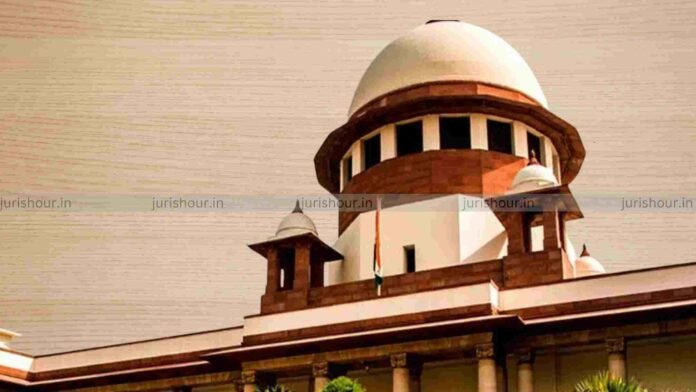
Supreme Court Dismisses Kerala Co-operative Banks’ Plea, Mandates Protection of Temple Funds for Deity’s Interest
In a significant ruling protecting religious endowments, the Supreme Court of India has definitively stated that temple money belongs exclusively to the deity and cannot be utilized as a resource for the survival or enrichment of financially struggling co-operative banks.
The verdict came while a bench comprising Chief Justice of India Surya Kant and Justice Joymalya Bagchi was hearing petitions filed by several co-operative banks in Kerala. The banks were challenging a direction by the Kerala High Court to return the considerable deposits held by the Thirunelly Temple Devaswom.
The Court’s Clear Rationale on Temple Funds
The Supreme Court bench emphasized that the primary responsibility of those managing temple assets is to safeguard the money for its divine purpose.
CJI Surya Kant made a sharp observation, questioning the plea of the banks:
“Temple money, first of all, belongs to the deity. So therefore, this money has to be saved, protected and utilised only for the interests of the temple. It can’t become a source of income or survival for a cooperative bank.”
The Court strongly endorsed the High Court’s direction to move the funds, suggesting that deposits should be placed in a “healthy nationalised bank which can give maximum interest,” rather than a co-operative bank that is “breathing with great difficulty.”
The Genesis of the Dispute
The legal battle originated when the Thirunelly Devaswom approached the Kerala High Court, aggrieved by the persistent refusal of the co-operative banks to repay its Fixed Deposits (FDs) despite repeated requests upon maturity.
The High Court subsequently ordered several banks, including the Thirunelly Service Cooperative Bank Ltd and the Mananthawady Co-operative Urban Society Ltd, to close the Devaswom’s deposits and repay the amounts within two months. The banks, citing “abrupt” difficulty in arranging the funds, then escalated the matter to the Supreme Court.
During the hearing, when the banks’ counsel argued that the abrupt repayment direction caused hardship, the CJI was unyielding, stating the banks should focus on establishing credibility among customers.
Final Verdict and Compliance
Ultimately, the Supreme Court dismissed the petitions filed by the co-operative banks, thereby upholding the Kerala High Court’s order to repay the temple funds.
While dismissing the plea, the bench did grant the petitioners a limited reprieve, giving them the liberty to approach the High Court to seek a reasonable extension of time for compliance with the repayment directive.
Read More: Jharkhand HC Exempts Former CM Hemant Soren from Personal Appearance in ED Case

