
The Rajasthan High Court has held that the GST department has no power to seize money, including cash, or securities during a search under Section 67(2) of the CGST Act, 2017. Allowing six connected writ petitions, the court directed the authorities to return the amounts seized without delay.
The Bench of Justice Inderjeet Singh and Justice Ashok Kumar Jain ruled that the seizure of money under this provision is illegal and without authority of law. The judgment, dated April 15, 2026, arose from petitions led by Shiv Shankar Oil Udyog v. Additional Director General, DGGI.
Buy Now: E-Magazine: 1000+ Landmark GST Judgments (2017–2026)
The petitioners challenged cash seizures made during GST search proceedings and sought its return. The amounts identified in their petitions ranged from ₹1.10 lakh in the lead case to ₹40 lakh in a connected case. Two other petitions each concerned ₹25 lakh in cash.
The central question was whether cash could be seized as “goods” or as a “thing” useful or relevant to proceedings under Section 67(2) of the CGST Act. The petitioners argued that the Act expressly excludes money from the definition of goods and does not permit officers to bring it back within their seizure powers by calling it a “thing”.
The petitioner argued that money has specifically been excluded from the definition of “goods” under Section 2(52) of the CGST Act, and the respondents or their authorized proper office are not authorized to seize money or any other valuable securities other than goods, which has been permitted under the law. They also submitted that the petitioners are also entitled for compensation for illegal seizure, and also interest. They also submitted that any action initiated pursuant to, search and seizure is also illegal and the petitioners are entitled for issuance of writ under Article 226 of the Constitution of India, as the respondents have acted contrary to all the legal provisions.
The GST department opposed that interpretation and argued that “things” should be read broadly and that Section 67(2), considered alongside other definitions in the Act, empowered them to seize money found during a search. They also relied on a Madhya Pradesh High Court decision that had accepted a wider reading of the provision.
The Bench examined the wording of Section 67(2), which permits the search and seizure of goods liable to confiscation and of documents, books or things useful or relevant to proceedings under the Act.
Section 2(52) defines “goods” as movable property other than money and securities. The court held that this express exclusion could not be undone by interpreting the separate word “things” to include money. It noted that the CGST Act defines money separately under Section 2(75), while it does not define “things”.
The judges compared the provision with other tax laws. The Customs Act expressly includes currency and negotiable instruments within its definition of goods, while the Income-tax Act expressly refers to the seizure of money in its search provisions. The Bench said the absence of similar language in Section 67(2) of the CGST Act mattered.
The court also reviewed decisions of several High Courts concerning cash seized during GST investigations. It observed that finding currency at searched premises, suspecting it to be unaccounted, or receiving an unsatisfactory explanation of its source does not, by itself, provide a legal basis to seize it under Section 67(2). A GST search power cannot become a general power to seize money.
The High Court allowed the petitions on the cash-seizure issue and directed the authorities to return or refund the money seized from the petitioners without delay. It declined their requests for interest and compensation.
Some connected petitions also challenged show-cause notices, alleged coerced deposits and other actions. The Bench expressly left those issues open, noting that the GST statutes provide appellate remedies against final adjudication orders. Its ruling addressed the power to seize money during a search under Section 67(2); it did not decide those other disputes.
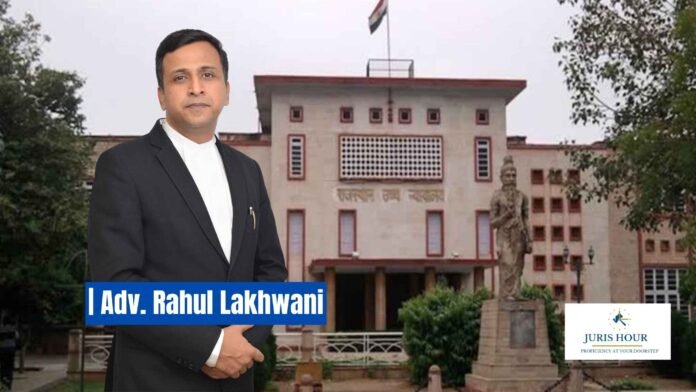
The petitioners were represented by Siddharth Ranka with Mr. Rohan Chatter,Ms. Apeksha Bapna & Ms. Satwika Jha, Mr. Jatin Harjai with Mr. Rohan Agarwal & Mr. Palash Gupta Mr. Rahul Lakhwani with Mr. Aaditaya Sharma & Mr. Wilson Joy.
Membership Required to Access Case Details & Order Copy
To view the complete Case Details and Download Order Copy, you must have an active membership. Please subscribe to continue.
Read More: Delta Corp, Subsidiaries Face ₹116.43 Crore GST Demand Over Casino Chips and Entry Packages

