
Ask Jurishour AI

Generic selectors
Exact matches only
Search in title
Search in content
Post Type Selectors
tdb_templates
saswp_reviews
saswp-collections
saswp_rvs_location
tdc-review-email
web-story-font
web-story
googlesitekit_email
tds_locker
tds_email
saswp
mailpoet_page
mailpoet_email
tdcpt_tunes
tdc-review
pronamic_payment
pronamic_gateway
pronamic_pay_subscr
wpcode
HomeColumnsCentre Directs States, UTs to Invoke Emergency Powers Amid Rising India-Pakistan Tensions

Centre Directs States, UTs to Invoke Emergency Powers Amid Rising India-Pakistan Tensions

Published on

🚀 Stay Connected With JurisHour

WhatsApp X Telegram

Amid escalating tensions between India and Pakistan, the Ministry of Home Affairs has instructed all Indian states and Union Territories (UTs) to activate emergency powers as per the Civil Defence Rules, 1968. The directive aims to strengthen internal preparedness and ensure the smooth functioning of essential services.

Section 11 of the Civil Defence Rules, 1968 can be invoked. This provision empowers state governments to implement urgent precautionary measures, safeguard public infrastructure, and maintain order during emergencies. The move is seen as a proactive step to reinforce national security and public safety during uncertain geopolitical conditions.

The Ministry stated that this action is necessary for the “efficient implementation of precautionary measures,” ensuring that administrative machinery remains agile and responsive. This includes protection of public and private properties, maintaining supply chains for essentials, and readiness for disaster response if needed.

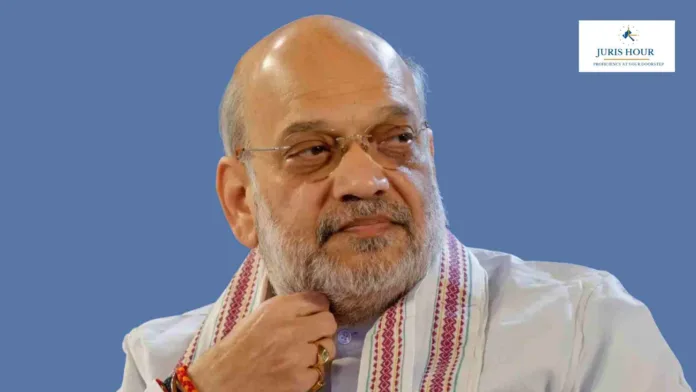
Union Home Minister [Name Withheld in Compliance] emphasized the importance of coordinated action, urging all regional administrations to remain vigilant and responsive to potential threats.

Read More: Operation Sindoor Is Not The 1st India’s Counter-Terrorism Operation

Amit Sharma
Amit Sharma
Amit Sharma is the Content Editor at JurisHour. He has been writing about the Indian legal market. He has covered tax & company litigation stories from the Supreme Court, High Courts and Various Tribunals. Amit graduated from MLSU Law College with B.A.LL.B. and also holds an LL.M. from MLSU, Udaipur, Rajasthan. An Advocate in Taxation, and practised in Tribunals as well as Rajasthan High Court and pursued Masters in Constitutional Law. He started out small with little resources but a big plan to take tax legal education to the remotest locations across India and eventually to the world. His vision is to make tax related legal developments accessible to the masses.

Latest articles

ITO Cuts Rs. 1.42 Lakh Income Tax Demand to Rs. 671 Despite S. 154 Time-Limit Objection [READ ORDER]

In a significant taxpayer-relief case, the Income Tax Department has reduced a demand of...

Bombay High Court Quashes Rs. 20.16 Crore TP Adjustment as Mandatory SCN Was Not Served

The Bombay High Court has set aside a transfer pricing order proposing an adjustment...

Homebuyers Can’t Be Penalised for Developer’s “Past Sins”: Supreme Court Rejects NOIDA’s Time Extension Charges as CIRP Costs

In a significant ruling protecting homebuyers affected by prolonged insolvency proceedings, the Supreme Court...

S. 106 Can’t Replace Proof of Guilt: Supreme Court Acquits Man in Kidnapping-Murder Case, Calls Investigation ‘Shoddy’

The Supreme Court has acquitted a man convicted in a kidnapping and murder case...

More like this

ITO Cuts Rs. 1.42 Lakh Income Tax Demand to Rs. 671 Despite S. 154 Time-Limit Objection [READ ORDER]

In a significant taxpayer-relief case, the Income Tax Department has reduced a demand of...

Bombay High Court Quashes Rs. 20.16 Crore TP Adjustment as Mandatory SCN Was Not Served

The Bombay High Court has set aside a transfer pricing order proposing an adjustment...

Homebuyers Can’t Be Penalised for Developer’s “Past Sins”: Supreme Court Rejects NOIDA’s Time Extension Charges as CIRP Costs

In a significant ruling protecting homebuyers affected by prolonged insolvency proceedings, the Supreme Court...