
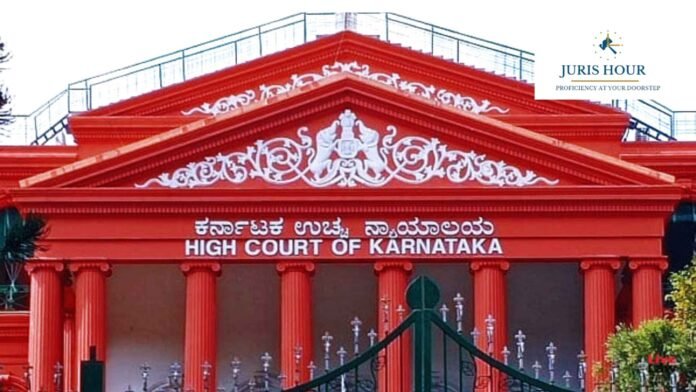
The Karnataka High Court has held that CENVAT credit on capital goods used to manufacture plant and machinery cannot be denied solely because the resulting plant or machinery is embedded in the earth and constitutes immovable property.
The Bench of Justice S.G. Pandit and Justice Dr. Chillakur Sumalatha agreed that the coordinate bench’s ruling in ICL Sugars Ltd. applied to the case. The Bench explained that the earlier decision had examined similar questions and held that CENVAT credit could not be denied on capital goods used in manufacturing plant or machinery embedded in the earth solely because the resulting installation was immovable property.
Buy Now: 80+ Judgements Indirect Tax – September 2026 E-Magazine
The company, which manufactures and clears petroleum products, had claimed CENVAT credit on capital goods used in manufacturing its final products during the period from April 2010 to December 2014.
The department disputed the credit on the ground that various goods used in the manufacturing process did not satisfy the definition of “capital goods”. A show cause notice dated May 6, 2015, proposed recovery of the credit claimed, together with interest and penalty.
The Commissioner subsequently passed an Order-in-Original dated October 28, 2016, confirming the demand proposed in the notice.
The company challenged the adjudication order before the Customs, Excise and Service Tax Appellate Tribunal, Bengaluru. By its order dated April 8, 2024, the Tribunal allowed the company’s appeal and set aside the Order-in-Original.
The Revenue then approached the High Court under Section 35G of the Central Excise Act, 1944, seeking to overturn the Tribunal’s decision.
The department submitted that the goods on which credit had been claimed were used to manufacture plant and machinery embedded in the earth.
The department argued that such plant and machinery were not finished goods and were not excisable. On that basis, it contended that the company could not claim CENVAT credit on capital goods used to manufacture non-excisable goods.
The department sought admission of its appeal for consideration of the questions of law raised against the Tribunal’s order.
The company submitted that the issue had already been settled by the Karnataka High Court in CCE, Mysore v. ICL Sugars Ltd., reported in 2011 (271) ELT 360 (Kar).
The company argued that the earlier decision directly covered the dispute and requested dismissal of the Revenue’s appeal at the admission stage.
The Court found the facts of the company’s case to be almost similar to those considered in ICL Sugars Ltd.Consequently, it declined to interfere with the Tribunal’s order.
Membership Required to Access Case Details & Order Copy
To view the complete Case Details and Download Order Copy, you must have an active membership. Please subscribe to continue.

