
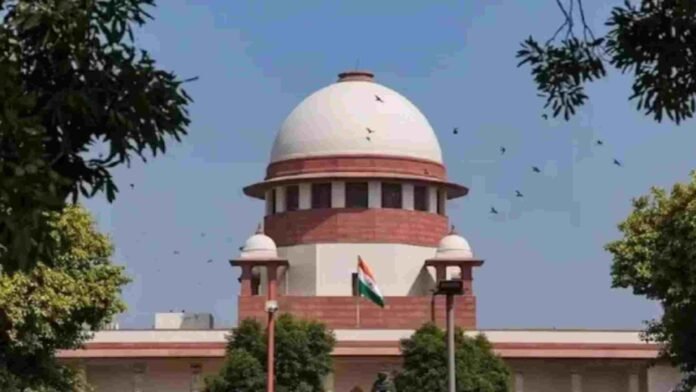
In a significant ruling, the Supreme Court of India has highlighted systemic and structural discrimination in the Indian Army’s process for granting Permanent Commission (PC) to women Short Service Commission Officers (SSCOs). The judgment came in a batch of appeals led by women officers, including Lt. Col. Pooja Pal, who challenged the denial of PC despite years of service.
The case originated from decisions of the Armed Forces Tribunal, which had upheld the Army’s stance that denial of Permanent Commission was based purely on comparative merit. However, the Supreme Court undertook a deeper examination of the evaluation process and the conditions under which women officers were assessed.
At the core of the dispute was whether women officers were given a fair and equal opportunity when considered alongside their male counterparts for Permanent Commission. The Court found that while the process appeared neutral on paper, it failed to account for historical and institutional disadvantages faced by women officers during their service.
A key issue identified by the Court was the role of Annual Confidential Reports (ACRs), which form the backbone of the selection process and carry significant weight in determining merit. The Court observed that most ACRs of women officers were written at a time when they were not even eligible for Permanent Commission. As a result, reporting officers often graded them with the understanding that these officers would not have long-term careers in the Army. This led to a pattern of average or conservative grading, while higher scores were more frequently awarded to male officers who were seen as having future leadership roles.
The Court held that this systemic approach to grading created an inherent disadvantage for women officers. By the time they became eligible for Permanent Commission following judicial intervention, their service records already reflected years of lower gradings, which directly impacted their comparative merit.
In addition to ACRs, the Court also examined disparities in access to career-enhancing opportunities. It noted that women officers were often denied important assignments such as criteria appointments, which involve leadership responsibilities and play a role in overall assessment. Similarly, they had limited access to key training programmes and courses that could strengthen their professional profiles.
Although these factors did not always directly influence numerical scoring, they significantly affected the subjective evaluation carried out by the Selection Board. The Court observed that such disparities inevitably influenced how officers were assessed holistically, placing women at a disadvantage despite formal equality in evaluation criteria.
The Union Government defended the process by stating that the selection system was anonymised and applied uniformly to all candidates.
However, the Court rejected the argument, emphasizing that anonymisation at the final stage cannot undo years of unequal treatment embedded in service records. It held that true fairness requires addressing the underlying conditions in which performance is evaluated, not merely ensuring identical procedures.
Case Details
Case Title: Lt. Col. Pooja Pal and others Versus Union of India and others
Citation: JURISHOUR-481-SC-2026
Case No.: Civil Appeal Nos. 9747 – 9757 / 2024
Date: 24/03/2026
Read More: Supreme Court Grants Pension Relief to Women Air Force Officers

