
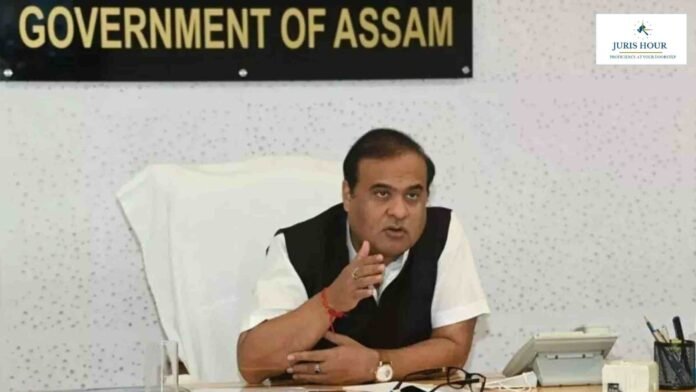
The Assam Cabinet on Wednesday approved the draft Uniform Civil Code (UCC) Bill, paving the way for its introduction in the state Assembly on May 26. Chief Minister Himanta Biswa Sarma said the proposed legislation has been specifically tailored to Assam’s unique demographic and cultural composition and would not interfere with religious beliefs, rituals, or customary practices.
The approval came during the first Cabinet meeting of the newly formed BJP-led government after Sarma assumed office for a second consecutive term earlier this week. The upcoming Assembly session is scheduled to commence on May 21, and the government plans to introduce the Bill on the final day of the session.
Addressing the media after the Cabinet meeting, Sarma stated that the government had carefully “customised” the proposed UCC framework keeping in view Assam’s social realities, indigenous traditions, and religious diversity. He said the Cabinet had earlier resolved to introduce the legislation during the first Assembly session of the new government and formally approved the draft on Wednesday.
According to the Chief Minister, the proposed law would deal exclusively with civil matters and would not regulate religious customs or methods of worship. He clarified that the legislation would have no bearing on practices such as puja, namaz, naam-prasanga, or religious teachings followed by different communities.
Sarma said the government intentionally kept religious traditions outside the ambit of the law in order to eliminate apprehensions that the UCC may interfere with faith-based practices. He asserted that the state would not dictate how any community performs religious ceremonies or follows its spiritual traditions.
The Chief Minister explained that the proposed legislation is expected to focus on issues relating to marriage, divorce, inheritance, succession, property rights, and family laws. He indicated that the Bill would likely include provisions concerning the minimum legal age of marriage, mandatory registration of marriages, prohibition of polygamy, and regulation of live-in relationships.
A significant feature of the proposed framework, according to the Chief Minister, is the exemption granted to tribal communities across Assam. Sarma announced that tribal groups residing in both hill and plain areas of the state would remain outside the scope of the proposed UCC. He reiterated that the customary laws and social traditions of indigenous communities would continue to remain protected.
The Chief Minister further stated that the traditions and customs followed by Hindus, Muslims, Christians, and tribal groups would not be disturbed under the proposed legislation. He maintained that the draft has been prepared in a manner that balances civil law reforms with constitutional protections relating to religious freedom and customary practices.
The Assam government’s move forms part of a broader push by BJP-ruled states toward implementing state-level Uniform Civil Code frameworks. Uttarakhand became the first state in the country to enact a UCC law in 2024, with the legislation subsequently coming into force in 2025.
For more than two years, Sarma has publicly advocated the introduction of a Uniform Civil Code in Assam and has repeatedly spoken about reforms aimed at addressing issues such as polygamy and uniformity in personal laws. The state government has consistently maintained that the proposed law is being drafted with safeguards to ensure that religious freedoms and indigenous customs are not adversely affected.
The Bill is now set to be formally introduced before the Assam Legislative Assembly on May 26, where it is expected to trigger extensive political and constitutional debate over the scope and implementation of the proposed Uniform Civil Code in the state.
Read More: RBI Removes Prior Approval Requirement for Non-Bank Tie-Ups in Outward Remittance Services

