
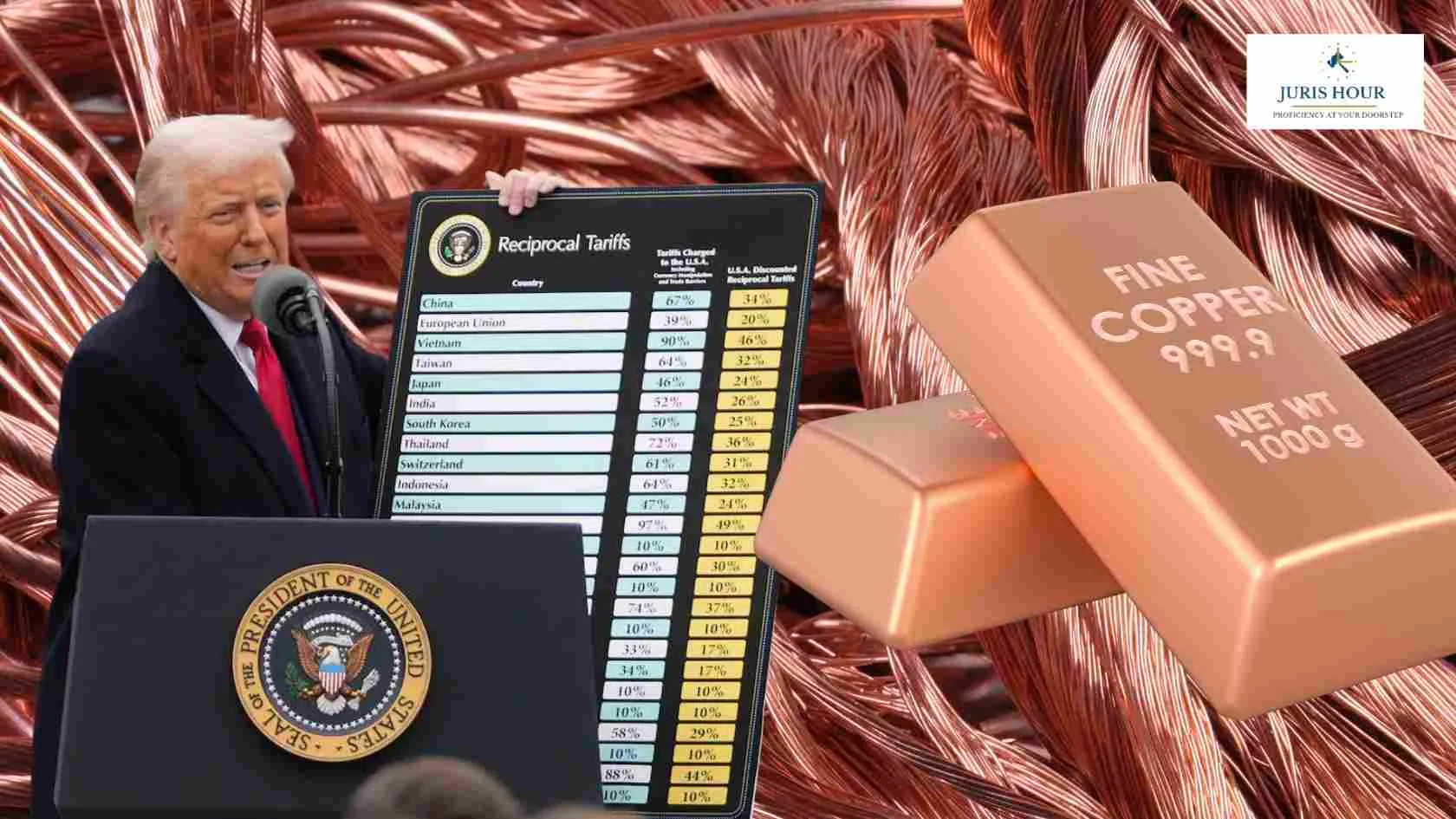
A fresh 50% import tariff on copper imposed by US President Donald Trump has sent shockwaves through the global supply chain, with India’s burgeoning electronics and semiconductor industries among those feeling the pinch.
Although the policy is designed to bolster domestic copper production in the United States, Indian industry leaders warn that the ripple effects could disrupt critical supply lines for the country’s semiconductor mission — particularly in the sourcing of high-purity copper used in chipmaking and advanced electronics.
“Copper is essential to chip wiring, PCBs, and semiconductor packaging,” said Ashok Chandak, president of SEMI India and the India Electronics and Semiconductor Association (IESA). “India imports most of its refined copper and specialty copper components. Even gold-plated copper wires used in outsourced semiconductor assembly and testing units are stuck due to procedural barriers.”
While India has refining capacity, it still depends heavily on imports for semiconductor-grade copper and specialty alloys. Domestic producers such as Hindustan Copper, Hindalco, and Sterlite do not currently supply the ultra-pure copper required for electronics manufacturing at the necessary scale.
Industry insiders caution that rising costs and tightening global supplies could derail India’s momentum in semiconductor manufacturing — a core focus of its strategic tech ambitions.
“Semiconductor projects are extremely cost-sensitive,” Chandak added. “Disruptions in copper availability will escalate component prices and slow down investments. The government must urgently strengthen upstream capacity — from refining to securing raw materials — through trade agreements, infrastructure investment, and even copper reserves.”
The newly announced US tariff does not directly target semiconductors, but its impact on raw material availability is indirect yet significant. “The cost of chip manufacturing will go up globally,” said Kunal Chaudhary, partner and co-leader of the Inbound Investment Group at EY India. “The policy is shifting attention back to supply chain vulnerabilities.”
India’s policy moves — such as mandatory BIS certifications and quality control orders — have further complicated the import process. Experts caution that while regulation is necessary, it should not create additional barriers without domestic alternatives in place.
“We do not produce high-purity copper strips, wires, or sheets required for electronics,” said Rajoo Goel, Secretary General of the Electronic Industries Association of India. “Currently, these are supplied by a small group of specialised manufacturers, many of them in China. Blocking imports without domestic substitutes could destabilise the entire supply chain.”
Goel warned that placing tariffs or regulatory bottlenecks on essential materials could discourage foreign investment and stall early gains made under India’s semiconductor mission.
India exported around $2 billion worth of copper and copper-based products in FY 2024–25, with $360 million going to the US — its third-largest buyer after Saudi Arabia and China. A potential decline in US demand following the new tariffs could be absorbed domestically, but it raises broader concerns about global trade friction.
“The chip race is not just about building fabs,” Chandak concluded. “It’s about building an ecosystem — and that starts with uninterrupted access to essential raw materials like copper.”
As India pushes to emerge as a global semiconductor hub, industry voices are urging the government to streamline copper imports, accelerate domestic capabilities, and avoid protectionist pitfalls that could set back its high-stakes ambitions.
Read More: CESTAT Quashes Tax Demands Over CENVAT Credit on Telecom Towers Following Supreme Court Ruling

