
HomeIndirect TaxesBig Boost to #EaseOfDoingBusiness: CBIC Launches ACE System for Online Duty Exemptions...

Big Boost to #EaseOfDoingBusiness: CBIC Launches ACE System for Online Duty Exemptions via SWIFT 2.0

Published on

🚀 Stay Connected With JurisHour

WhatsApp X Telegram

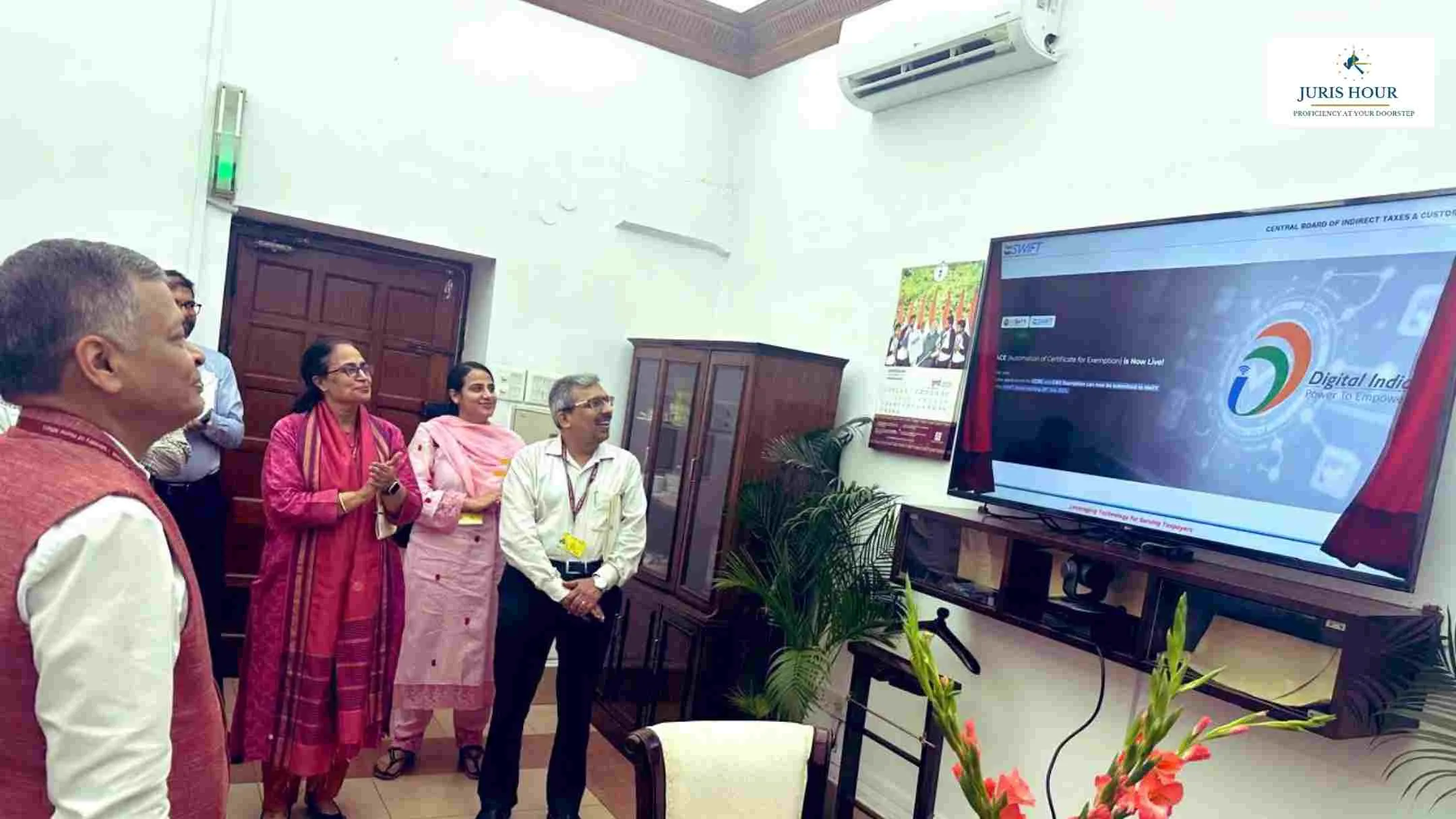
In a major digital push for India’s trade facilitation and #EaseOfDoingBusiness goals, the Central Board of Indirect Taxes and Customs (CBIC) has launched a revolutionary digital platform – the Automation of Certificate of Exemption (ACE) under SWIFT 2.0. This landmark initiative was officially launched by Sh. Yogendra Garg, Member (IT), CBIC, signaling a bold step towards seamless, paperless EXIM (export-import) operations.

With the ACE system now live, importers and exporters can apply online for concessional customs duty and CRO exemption certificates issued by the Ministry of Electronics and Information Technology (MeitY). This integration is expected to significantly reduce time, cost, and bureaucratic red tape, which previously hampered trade efficiency.

100% Online Process: No more physical submissions or running from pillar to post. The entire exemption process is now a few clicks away.

Real-Time Integration with MeitY: SWIFT Portal will now directly handle certificate validation and exemption requests.

Trade Transparency and Speed: Faster clearances, increased compliance, and improved governance.

The launch ceremony witnessed enthusiastic participation from senior officials, with a live demonstration underscoring the platform’s user-friendly interface and real-time processing capabilities. Visuals shared by CBIC show officials celebrating this digital leap, with the portal already accepting submissions.

Experts are hailing this as a watershed moment in India’s digital trade ecosystem. By eliminating manual intervention and ensuring swift document processing, SWIFT 2.0 is set to empower businesses, especially MSMEs, to trade with greater ease and global competitiveness.

This development aligns perfectly with the Government’s broader vision of a Digital India and reducing the compliance burden on businesses.

Just Click. Apply. And Clear – the new mantra for India’s trade facilitation journey.

Read More: GSTAT Procedural Timelines: Guide for Taxpayers, Dept

Mariya Paliwala
Mariya Paliwalahttps://www.jurishour.in/
Mariya is the Senior Editor at Juris Hour. She has 7+ years of experience on covering tax litigation stories from the Supreme Court, High Courts and various tribunals including CESTAT, ITAT, NCLAT, NCLT, etc. Mariya graduated from MLSU Law College, Udaipur (Raj.) with B.A.LL.B. and also holds an LL.M. She started her career as a freelance tax reporter in the leading online legal news companies.

Latest articles

Advisory Services Without Transfer of Technical Knowledge Not Taxable as FTS Under India-UAE DTAA: ITAT

The Kolkata Bench of the Income Tax Appellate Tribunal (ITAT) has held that payments...

Income Tax Dept. Drops S. 272A(1)(d) Penalty Citing Genuine Medical Reasons

The Income Tax Department has dropped penalty proceedings initiated under Section 272A(1)(d), holding that...

GST Notifications Can’t Go Beyond GST Council Recommendations: Madras High Court Quashes SCN on Branded Pulses

The Madurai Bench of the Madras High Court has held that statutory notifications issued...

Entire Bogus Purchase Addition Unsustainable When Sales Are Accepted; ITAT Restricts Addition to 8% Profit Element

The Ahmedabad Bench of the Income Tax Appellate Tribunal (ITAT) has ruled that where...

More like this

Advisory Services Without Transfer of Technical Knowledge Not Taxable as FTS Under India-UAE DTAA: ITAT

The Kolkata Bench of the Income Tax Appellate Tribunal (ITAT) has held that payments...

Income Tax Dept. Drops S. 272A(1)(d) Penalty Citing Genuine Medical Reasons

The Income Tax Department has dropped penalty proceedings initiated under Section 272A(1)(d), holding that...

GST Notifications Can’t Go Beyond GST Council Recommendations: Madras High Court Quashes SCN on Branded Pulses

The Madurai Bench of the Madras High Court has held that statutory notifications issued...