
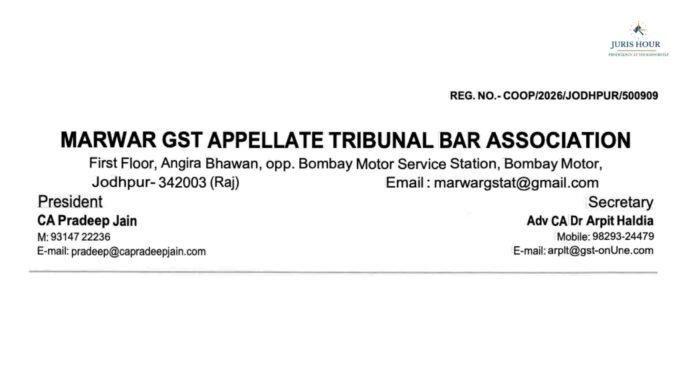
The Marwar GST Appellate Tribunal Bar Association has submitted a formal representation to the President of the Goods and Services Tax Appellate Tribunal (GSTAT), highlighting practical difficulties faced by taxpayers and practitioners while filing appeals on the newly operational GSTAT portal and raising concerns over certain provisions of the GSTAT (Procedure) Rules, 2025.
In a representation dated March 5, 2026, the association urged the Tribunal to reconsider procedural requirements that, according to practitioners, may inadvertently restrict the statutory right of appeal and create significant compliance hurdles.
Table of Contents
Concerns Over Rule 21 and Documentation Requirements
One of the primary concerns raised relates to Rule 21 of the GSTAT (Procedure) Rules, 2025, which requires appellants to upload all relied-upon documents at the time of filing the appeal itself. The association argued that this requirement goes beyond the framework contemplated under Central Goods and Services Tax Rules, 2017 and particularly Rule 110 governing appellate procedures.
According to the representation, the rule effectively abolishes the traditional concept of filing a “paper book” at a later stage of proceedings. Practitioners contend that such a requirement may lead to delays in filing appeals because compiling complete sets of documents at the initial stage can be time-consuming.
The association cautioned that the requirement could risk extinguishing a taxpayer’s statutory right to appeal if the time limit expires while additional documents are being gathered.
29-Point Checklist Adds to Compliance Burden
The Bar Association also pointed to the extensive checklist embedded in the GSTAT portal before an appeal can be successfully filed. As per the representation, the system currently requires compliance with a 29-point checklist, including uploading numerous documents and supporting materials.
Practitioners stated that some of the required documents may be issued in regional languages or may require translation and certification, further complicating the process and increasing the time required to complete the filing.
The association emphasized that while digitization of the appellate system is a welcome step toward improving transparency and efficiency, procedural rigidity could undermine the accessibility of the appellate remedy.
Call for Practical Reforms
In its submission, the association urged the Tribunal to adopt a more pragmatic approach by allowing appellants to submit essential documents initially and file additional supporting materials at a later stage through paper books or supplementary filings.
The representation also stressed the need for a balanced procedural framework that ensures technological efficiency without compromising taxpayers’ procedural rights.
According to the association, addressing these concerns would help ensure that the GSTAT functions as an effective dispute resolution forum and strengthens confidence in the GST appellate mechanism.
Importance of GSTAT in the Tax Dispute Framework
The Bar Association noted that the establishment of the GSTAT is a significant step in India’s indirect tax dispute resolution system. As the final fact-finding authority in GST matters, the Tribunal is expected to play a crucial role in ensuring consistency, fairness, and timely adjudication of disputes.
However, the representation emphasized that early-stage procedural challenges—especially in digital filing systems—must be resolved promptly to ensure smooth functioning and prevent unnecessary litigation over procedural lapses.
The association expressed hope that the Tribunal would consider the issues raised and initiate necessary modifications to the procedural rules and portal functionalities to make the appellate process more practical and accessible for taxpayers and professionals alike.
Read More: No Service Tax On Payments Made To Protection And Indemnity Club For Mutual Insurance Cover: CESTAT

