
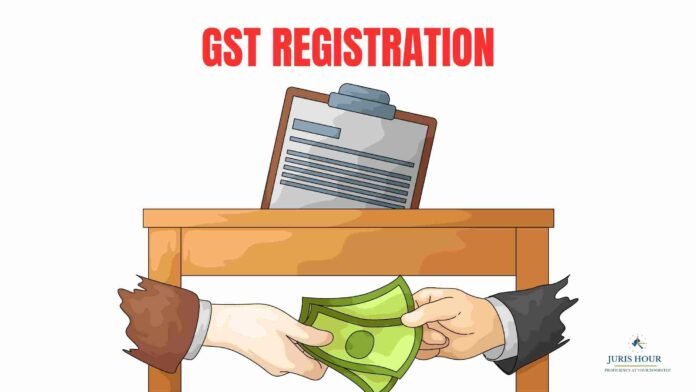
A Reddit user recently shared his encounter with a Goods and Services Tax (GST) officer, highlighting concerns about the field verification process during GST registration.
The post, published on r/IndiaTax by u/usergreedyxharp, has sparked widespread discussion among taxpayers and professionals regarding procedural compliance and taxpayer rights.
The Redditor, an independent contractor working for a US-based company, explained that he had crossed the ₹20 lakh turnover threshold and needed to secure GST registration. Despite submitting multiple applications, each attempt was rejected without clear reasons.
Following a fourth application submitted in September, the case was assigned for field verification. According to the Reddit post, the officer conducted the inspection at the applicant’s parents’ ancestral home, where he carried out his business operations. During the visit, the officer reportedly took photographs of the applicant at his desk, next to a flex board displaying the firm’s name, and asked detailed questions about his business activities.
Post-inspection, the officer requested that the applicant visit the GST office in person with several documents, including self-attested copies of Aadhaar and PAN cards, an electricity bill, a no-objection certificate from his mother, and the registry documents for the ancestral property.
The unusual nature of these requests drew significant attention from forum users. Several commenters expressed concern that such demands could constitute an overreach of authority. Some advised the applicant to document any attempts at bribery and suggested publicly exposing them on social media if necessary. Others cautioned against taking such measures, warning that they could lead to prolonged legal proceedings.
Understanding the Rules for GST Registration
GST registration is designed to be an entirely online process, facilitated through the GST portal. Applicants file Form GST REG-01, and any clarifications or additional queries from officers are meant to be addressed through prescribed portal forms—REG-03 (for notices) and REG-04 (for replies). Any rejection of an application must be formally reasoned and communicated via the portal.
Physical verification of business premises is permitted only in specific circumstances under Rule 25 of the CGST Rules, 2017. When such verification occurs, officers are required to upload a detailed report in Form GST REG-30, adhering to strict timelines. Blanket requests for personal appearances or submission of documents without proper portal notice or reference number contravene the procedures mandated by the Central Board of Indirect Taxes and Customs (CBIC).
Practical Steps for Applicants Facing Verification
Taxpayers encountering similar situations should insist on maintaining communication exclusively via the GST portal. Key steps include:
- Request portal-based communication: Insist that all notices and instructions be served through the portal and reference number.
- Retain documentation: Maintain copies of all documents, forms, and timestamps for future reference.
- Respond to queries formally: Use the portal to reply to any clarifications or notices within prescribed timelines.
- Avoid informal payments: Do not succumb to unofficial demands for money. If bribery or undue pressure occurs, document all evidence and report the matter to supervisory authorities or through cyber complaint channels.
While Aadhaar authentication failures or other technical issues may justify a lawful in-person verification, officers cannot demand a blanket personal appearance without proper portal notice or adherence to procedural requirements.
Takeaways from the Reddit Thread
The Reddit discussion underscores two recurring concerns among GST registrants:
- Vulnerability to informal demands from officers during registration.
- Pressure to pay small bribes to expedite approvals or avoid repeated rejections.
Experts recommend that taxpayers facing repeated application rejections respond promptly via the portal, request formal reasons for denial, and escalate any undue demands through official channels rather than acquiescing to them.
The incident serves as a reminder that while GST registration is intended to be seamless and online, adherence to procedural safeguards remains crucial, both for the protection of taxpayers and the integrity of the tax system.
Read More: ED Restores Rs 175 Crore Properties to Udaipur Homebuyers, Wins Supreme Court Praise

