
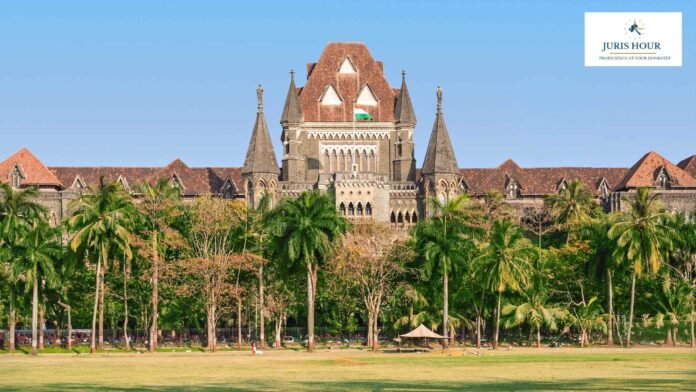
The Bombay High Court while noting that there is the delay in reassessment of bills of entry has directed the Customs Department to complete the reassessment of six bills of entry preferably within eight weeks and also restrained the department from initiating coercive action against the company in relation to the bills until the reassessment exercise is completed.
The bench of Justice Suman Shyam and Justice Advait M. Sethna has granted interim protection to the petitioner by directing that no coercive action should be initiated against it concerning the disputed bills of entry until the reassessment process is completed.
Buy Now: E-Way Bill Judgements From 2020–2026 [Includes Orders of GSTAT]
The petitioner’s principal grievance concerned the authorities’ failure to reassess six bills of entry, the particulars of which were set out in paragraph 4 of the writ petition. The company approached the High Court seeking a direction to the Customs authorities to undertake the reassessment and issue challans reflecting the IGST amount actually payable by it.
The petitioner also contended that no interest should be levied on the amount that may ultimately be found payable following the reassessment.
Appearing for the Customs authorities, counsel informed the Court that the Department had no difficulty in carrying out the reassessment of the bills of entry within a time-bound period. However, the Department opposed any advance determination regarding waiver of interest.
It was submitted that the petitioner’s claim concerning interest should be left open for consideration by the competent authorities during the reassessment proceedings.
After taking note of the relief sought by the company and the stand adopted by the Customs Department, the High Court directed the respondents to reassess all six bills of entry.
The Court ordered that the reassessment must be carried out in light of the law laid down in the relevant judgments of the Supreme Court of India and the Bombay High Court. The authorities were directed to pass appropriate orders, preferably within eight weeks from the date on which they receive a certified copy of the High Court’s order.
The Court further clarified that if the company remains aggrieved after the authorities complete the reassessment and pass consequential orders, it would be free to pursue an appropriate remedy available under law.
The Bench did not decide the petitioner’s contention that interest was not payable. In view of the Department’s submission, that issue has effectively been left to the competent authority for consideration during the reassessment.
Before disposing of the petition, the High Court expressly clarified that it had not expressed any opinion on the merits of the petitioner’s claims. Accordingly, the reassessment authority will have to independently examine the bills of entry, the applicable legal principles, the resulting IGST liability and the petitioner’s claim concerning interest.
The order was passed in Rishabh Metals and Chemicals Pvt. Ltd. v. Union of India through the Secretary, Department of Revenue, Ministry of Finance and Others, Writ Petition No. 5584 of 2026. The order dated June 9, 2026, was subsequently corrected through a speaking-to-the-minutes order dated July 17, 2026.
Membership Required to Access Case Details & Order Copy
To view the complete Case Details and Download Order Copy, you must have an active membership. Please subscribe to continue.

