
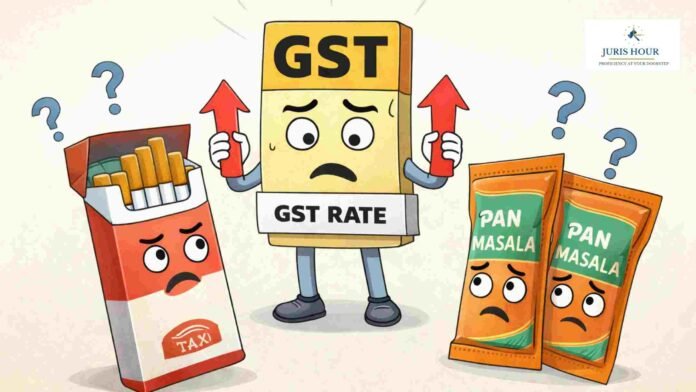
Yes, from February 1, 2026 a new GST mechanism comes into force for pan masala, cigarettes and tobacco products. Under this system, pan masala will attract 40% GST along with a cess, while cigarettes and other tobacco products will attract 40% GST plus an additional excise levy.
Does this mean taxes on these products have increased?
Interestingly, the overall tax incidence has not increased. What has changed is the structure of taxation. Earlier, pan masala attracted 28% GST plus a compensation cess. Now, part of that burden has been shifted into GST itself by raising the GST rate to 40%.
Why was this restructuring done?
The main reason is that the GST compensation cess is ending from February 1, 2025. The cess was originally introduced for five years to compensate States for revenue losses after GST was implemented. However, due to COVID-19, cess collections fell short and the Centre had to borrow funds to compensate States.
So now that the borrowing is repaid, the cess is being removed?
Exactly. Since the loans taken to compensate States have now been repaid, the government has decided to end the compensation cess. To ensure States do not lose revenue, the GST rate on certain high-risk products like pan masala and cigarettes has been increased.
How does this benefit States?
Expert: GST is part of the divisible tax pool, which means it is shared with States based on the Finance Commission formula. When GST rates go up, States receive a higher share of revenue. In contrast, compensation cess was not shareable with States.
What about excise duty on tobacco products?
Excise duty is also part of the divisible pool. So, any increase in excise duty on tobacco directly increases the States’ share of revenue, rather than reducing it.
Does this mean States are better off under the new system?
Yes. According to official sources, the combined effect of a higher GST rate and legitimate excise duty ensures that States receive more revenue than before, even without the compensation cess.
Is GST being diluted by this change?
No. The government has clarified that the GST framework remains fully intact. The move only adjusts tax components within the existing system.
What about tax evasion in these sectors?
That’s another important aspect. Pan masala and tobacco are considered high-risk sectors for evasion. The new GST mechanism is expected to significantly reduce chronic tax evasion, improving compliance and revenue collection.
Are there any constitutional issues with taxing cigarettes under both GST and excise?
No. Cigarettes are among the few commodities constitutionally permitted to attract both GST and excise duty. This position has also been upheld by the Supreme Court.
Has Parliament approved these changes?
Yes. The changes follow the enactment of the Health and Education Security Cess Act and the Central Excise (Amendment) Act, and are supported by Article 270 of the Constitution, which allows Parliament to impose specific-purpose cesses.
Read More: CBIC Empanels, Promotes 55 IRS Officers as Commissioners of Customs & Indirect Taxes

