
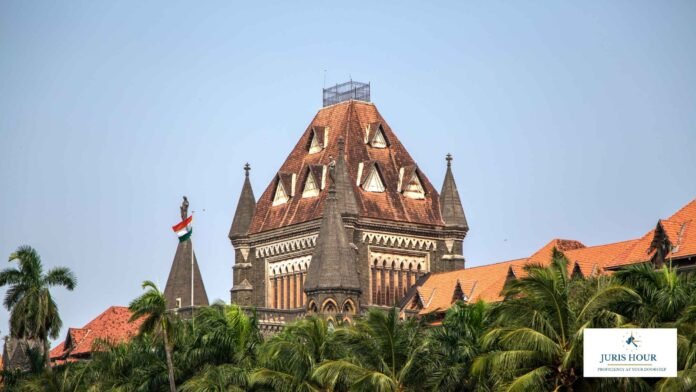
The Bombay High Court has quashed fresh income tax reassessment proceedings holding that the department could not proceed against the company for a period preceding approval of its insolvency resolution plan, even on the basis of new information received from the Enforcement Directorate.
The Bench of Justice B. P. Colabawalla and Justice Farhan P. Dubash clarified, however, that the Income Tax Department remained free to take action against the company’s erstwhile management if permitted by law.
Buy Now: Direct tax (Income Tax) E-Magazine September 2026
The issue raised was whether fresh information alleging fraudulent transactions can justify reopening an assessment against a company after its resolution plan has been approved and past claims stand extinguished.
The company challenged a show cause notice dated March 31, 2026, issued under Section 148A(1) of the Income Tax Act, 1961; an order dated June 29, 2026, passed under Section 148A(3); and the consequential notice issued on the same date under Section 148. These proceedings sought to reopen its assessment for Assessment Year 2020–21.
The company’s resolution plan, submitted by Hazel Mercantile Ltd., had been approved by the Ahmedabad Bench of the National Company Law Tribunal on December 23, 2022, under Section 31 of the Insolvency and Bankruptcy Code, 2016.
The company relied on paragraphs 23 and 24 of the NCLT order to contend that past claims stood extinguished. The NCLT had also referred to the Supreme Court’s decision in Ghanshyam Mishra & Sons Pvt. Ltd. v. Edelweiss Asset Reconstruction Company Ltd. & Ors., including in relation to statutory dues.
According to the company, reopening the assessment would serve no purpose because no demand for the relevant assessment year could be raised against it after approval of the resolution plan.
The company pointed out that the High Court had already quashed an earlier reassessment proceeding for the same assessment year.
In that round, a notice issued under Section 148, had been challenged in Writ Petition No. 1029 of 2025. By an order dated August 19, 2025, the High Court had set aside those proceedings by applying the Supreme Court’s ruling in Ghanshyam Mishra.
The company argued that the Assessing Officer was aware of both the NCLT’s approval order and the High Court’s earlier decision. Nevertheless, fresh proceedings were initiated for the same assessment year on the strength of purported new information from the Enforcement Directorate.
Revenue Relied on Allegations of Fraudulent Transactions
Opposing the petition, the Revenue argued that reopening an assessment was distinct from recovering an extinguished claim.
It submitted that the fresh information indicated fraudulent transactions, reversal trades with shell entities and deliberate attempts to evade tax. These were allegations advanced by the department; the order does not record a finding establishing them.
The Revenue maintained that the corporate insolvency resolution process should not become a mechanism for overcoming deliberate illegalities or tax evasion. It argued that, although a resolution plan might extinguish claims for recovery, it did not prevent the department from examining suspicious transactions.
The department further submitted that it was not seeking to impose liability at that stage and only intended to verify and scrutinise the transactions. Such an inquiry, it contended, could also facilitate appropriate proceedings against directors responsible for managing the company at the relevant time.
It also argued that the earlier High Court order had been passed on the material then available, before the fresh information concerning the alleged transactions came before the Court.
The Bench questioned how the Assessing Officer could initiate fresh reassessment proceedings when proceedings for the same assessment year had already been quashed by applying the principles laid down in Ghanshyam Mishra.
Independently examining the record, the Court held that the department could not proceed against the company for a period before approval of its resolution plan, notwithstanding the receipt of new information.
The Bench concluded that liability could not be fastened on the company at that stage for actions preceding approval of the plan.
Besides the Supreme Court’s decision in Ghanshyam Mishra, the Court relied on the Bombay High Court’s ruling in Alok Industries Ltd. v. Assistant Commissioner of Income Tax, reported at [2024] 161 taxmann.com 285 (Bombay).
The High Court quashed the March 31, 2026 show cause notice, the June 29, 2026 order under Section 148A(3), and the consequential reassessment notice under Section 148. It disposed of the petition without any order as to costs.
The Court expressly preserved the department’s ability to proceed against the erstwhile management, subject to its entitlement under law.
Membership Required to Access Case Details & Order Copy
To view the complete Case Details and Download Order Copy, you must have an active membership. Please subscribe to continue.

