
The Bombay High Court has held that amendments introduced to the Foreign Trade Policy (FTP), 2023 now provide for an inclusive decision-making process through stakeholder consultation, substantially addressing the exporters’ grievance.
The bench of Justice Suman Shyam and Justice Advait M. Sethna clarified that members of the association would be entitled to insist that the newly introduced consultation guidelines are implemented “in letter and spirit” whenever the authorities formulate or amend export policy.
The writ petition did not challenge the Government’s power to regulate or restrict exports under the Foreign Trade (Development and Regulation) Act, 1992. Instead, the exporters’ association sought a structured and transparent mechanism to be followed before imposing restrictions on onion exports.
Buy Now: 70+ Judgements Indirect Tax – July 2026 | E-Magazine
According to the association, frequent notifications changing the export regime from “free” to “prohibited” or imposing other restrictions caused severe commercial disruption. Exporters argued that they often entered into binding contracts with overseas buyers, procured consignments, arranged logistics and completed customs formalities, only to face sudden policy changes that jeopardized contractual obligations and caused financial losses.
The petition therefore sought issuance of a Standard Operating Procedure (SOP) requiring stakeholder consultation before major export restrictions were notified, rather than questioning the Government’s policy choices themselves. The association maintained that its grievance related only to the manner in which such policy decisions were implemented. The background affidavit emphasized that transparent procedures would prevent arbitrary exercise of discretion while protecting exporters’ legitimate expectations. The petition also invoked Articles 14 and 19(1)(g) of the Constitution in support of the demand for a fair and structured consultative process.
During the pendency of the proceedings, the Central Government amended the Foreign Trade Policy through Notification No. 47/2024-25 dated January 2, 2025 by introducing Paragraphs 1.07A and 1.07B, which institutionalized stakeholder consultation in the formulation and amendment of the FTP.
The new provisions authorize the Government, wherever considered reasonable, to invite views, suggestions and comments from importers, exporters, industry experts and other stakeholders while formulating or amending the Foreign Trade Policy. They also require reasons to be recorded where such stakeholder suggestions are not accepted, subject to specified exceptions involving national security, confidentiality, international obligations and similar considerations.
A corresponding amendment was also made to the Handbook of Procedures through Public Notice No. 37/2024-25 introducing Paragraph 1.04(q), prescribing the procedure for inviting stakeholder feedback. The Government further issued a press release emphasizing that the amendments were intended to strengthen the “Ease of Doing Business” framework by encouraging inclusive decision-making before changes affecting imports, exports and transit of goods. These developments formed the central basis of the petitioner’s submission that its principal grievance had been substantially redressed.
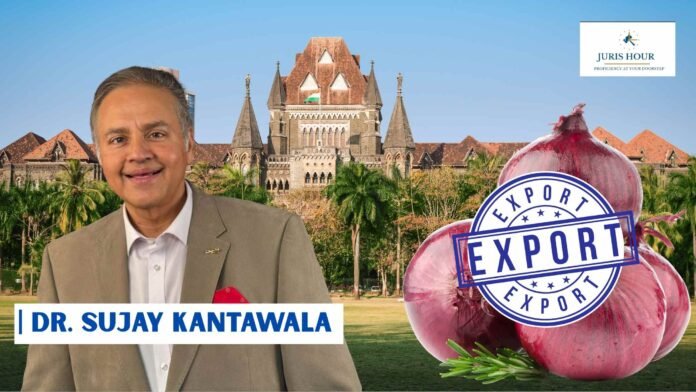
Dr. Sujay Kantawala, the Counsel for the Petitioner, submitted that in view of the amendments made in Foreign Trade Policy of 2023, issued on 3rd January 2025, providing for inclusive decision making after consultation with the stakeholders, the grievance of the Members of the Petitioner’s Association espoused in the Writ Petition stands substantially redressed. Now it would be for the Authorities to follow the aforesaid Guidelines.
The Government assured the Court that the newly issued guidelines would be adhered to by the concerned authorities.
The High Court disposed of the writ petition without entering into the merits of the policy framework.
The Bench observed that members of the Horticulture Produce Exporters Association would be entitled to insist that the consultation guidelines introduced under the amended Foreign Trade Policy are implemented “in letter and spirit” before the competent authorities whenever circumstances requiring their application arise.
Membership Required to Access Case Details & Order Copy
To view the complete Case Details and Download Order Copy, you must have an active membership. Please subscribe to continue.

