
A Mumbai sessions court has granted anticipatory bail to Surat-based businessman Kishorbhai Bhingradia, who was accused of orchestrating a scheme to undervalue imported goods and evade customs duties.
The order was passed by Additional Sessions Judge Amit A. Laulkar of the City Civil and Sessions Court, Greater Bombay, while hearing the anticipatory bail plea filed by the businessman in connection with a probe initiated by the Directorate of Revenue Intelligence (DRI).
The case stems from specific intelligence received by the DRI indicating that two business entities — Shivani Enterprise and Shivani Fab, allegedly controlled by Bhingradia and his family members — were importing glass beads and machine parts from China by grossly undervaluing the goods and submitting fabricated invoices to evade payment of appropriate customs duties. Investigators alleged that the declared values in the bills of entry did not reflect the actual transaction value of the imported goods.
According to the investigation, authorities conducted a search at the residential premises of the importer in Surat. During the search, officials recovered ₹3.61 crore in unaccounted Indian currency from the applicant’s bedroom. When questioned about the source of the cash, the applicant’s son reportedly failed to produce any documentary proof establishing its legitimate origin, following which the amount was seized by the authorities as part of the investigation.
The DRI further alleged that the applicant played a key role in a syndicate involved in systematic undervaluation of imported goods such as glass beads, embroidery machine parts and cording machine parts. Investigators also relied on the statement of a freight forwarder who allegedly stated that he filed bills of entry based on invoices supplied by the importer, which were claimed to be fabricated. The agency also informed the court that multiple summons had been issued to the applicant under the Customs Act, but he had allegedly failed to appear before investigators on several occasions.
Opposing the bail plea, the prosecution argued that the offences were serious economic crimes affecting the country’s financial interests and that the applicant’s alleged non-cooperation with the investigation justified custodial interrogation.
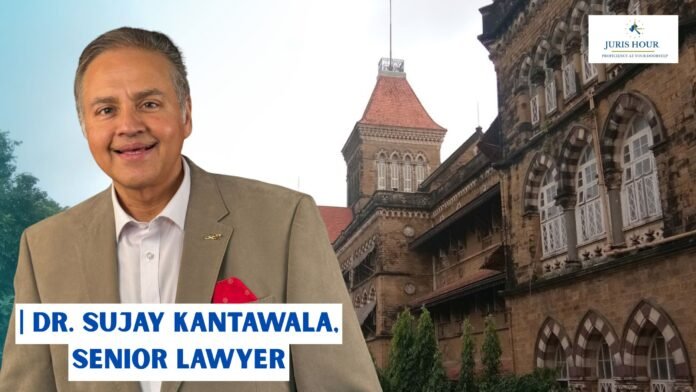
Dr. Sujay Kantawala, the counsel on behalf of the applicant contended that the applicant was a legitimate businessman engaged in importing low-quality glass beads in bulk, which were purchased at discounted rates. It was argued that the goods were examined and cleared by customs officers at the port and the declared values were accepted during the assessment process. The defence further contended that all transactions were duly recorded in the books of accounts and supported by GST invoices.
After examining the case records, the court observed that the allegations largely rested on documentary evidence that had already been secured by investigators. The judge noted that, apart from the statement of a customs broker, the prosecution had not placed sufficient independent material on record at this stage to conclusively establish undervaluation by the applicant.
The court also observed that the offences under the Customs Act alleged in the case are punishable with imprisonment of up to seven years, are triable by a magistrate, and are compoundable in nature. Considering that the applicant had no previous criminal antecedents and had expressed willingness to cooperate with the investigation, the court held that custodial interrogation did not appear necessary at this stage.
Granting anticipatory bail, the court directed that in the event of arrest, the applicant be released on a personal bond of Rs. 50,000 with one surety of the same amount. The court also imposed several conditions, including that the accused must cooperate with the investigation, appear before the investigating officer periodically, surrender his passport, and refrain from influencing witnesses or tampering with evidence.
Case Details
Case Title: Kishorbhai Bhingradia Versus The Senior Intelligence Officer Directorate of Revenue
Case No.: Anticipatory Bail Application No.373 Of 2026
Date: 12/03/2026
Counsel For Applicant: Dr. Sujay Kantawala
Counsel For Respondent: SPP Rushikesh Munde
Read More: NDPS | Failure to Properly Inform Accused of Rights Makes Recovery Suspect: Supreme Court

