
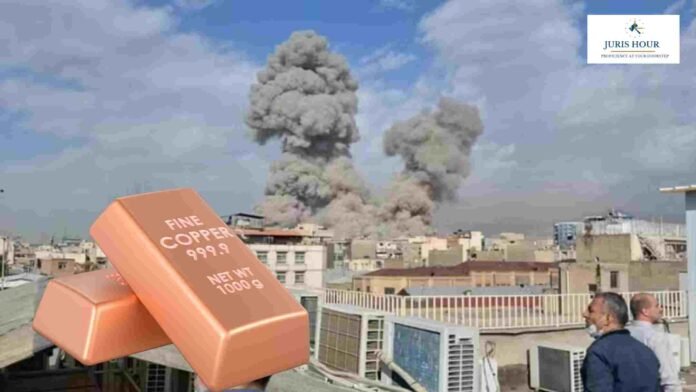
The recent escalation in geopolitical tensions following reported military action by the United States and Israel against Iran, and the resulting instability across the Middle East, has triggered significant volatility in global financial markets. While oil prices have been the primary focus due to the region’s dominant role in global crude supply, industrial metals such as copper have also witnessed notable movements. Copper, often regarded as a barometer of global economic health, reacts not only to supply disruptions but also to shifts in investor sentiment, inflation expectations, and macroeconomic outlook.
Why Geopolitics Matters for Copper?
Copper is widely used in construction, electrical equipment, automobiles, renewable energy infrastructure, and electronics manufacturing. Its price is closely linked to global industrial growth, particularly in major economies such as China, the United States, and the European Union. Unlike crude oil, copper is not directly sourced from the Middle East in significant volumes. However, geopolitical instability in the region affects copper through indirect channels such as risk appetite in financial markets, commodity fund flows, inflation expectations, and energy costs.
During periods of heightened geopolitical tension, investors reassess global growth risks. Copper, being highly sensitive to economic expansion, often reflects these shifting expectations quickly.
Short-Term Market Reaction and Volatility
In the immediate aftermath of military escalation, commodity markets typically experience sharp volatility. Copper prices tend to react in two distinct phases. Initially, risk aversion can lead to broad-based selling across industrial commodities if markets fear global economic slowdown. However, if tensions push crude oil prices higher and raise inflation concerns, copper may subsequently benefit from a broader commodity rally.
Recent episodes of Middle East instability have demonstrated that copper can gain a short-term geopolitical risk premium, especially when investors rotate into commodities as an inflation hedge. Analysts have suggested that if the conflict persists or widens, copper prices could see temporary upside momentum driven by speculative flows and macro positioning.
Energy Price Linkages and Cost Pressures
One of the most significant indirect channels through which Middle East conflict influences copper is energy pricing. Mining and smelting copper are energy-intensive processes. A surge in crude oil and natural gas prices increases production costs, transportation expenses, and overall operational expenditures for mining companies.
If oil prices remain elevated due to supply concerns or shipping disruptions in key routes such as the Strait of Hormuz, the cost structure of copper production could tighten. Over time, higher input costs may translate into reduced margins or lower output, providing structural support to copper prices.
Investor Sentiment and Commodity Fund Flows
Geopolitical crises typically lead to capital reallocation across asset classes. While gold is the primary safe-haven asset during conflict, broader commodity baskets may also see increased allocation as investors hedge against inflation and currency volatility. Exchange-traded funds and commodity index funds often adjust positions based on macro risk assessments, contributing to price swings in copper futures.
At the same time, if equity markets decline sharply due to fears of prolonged conflict, industrial metals could face selling pressure linked to concerns about slowing global manufacturing activity. This push-and-pull dynamic makes copper particularly sensitive to headlines during geopolitical crises.
Global Demand Fundamentals Remain Critical
Despite short-term volatility, the long-term direction of copper prices continues to be driven primarily by structural demand and supply fundamentals. China remains the largest consumer of copper globally, and its infrastructure spending, property sector performance, and renewable energy expansion play a dominant role in price formation.
In addition, global electrification trends, electric vehicle production, power grid expansion, and green energy projects are creating sustained demand for copper. These structural drivers provide an underlying support base that can offset temporary geopolitical shocks, provided global economic growth remains intact.
Supply Constraints and Inventory Levels
Global copper inventories have been relatively tight in recent years, amplifying price sensitivity to external disruptions. While the Middle East is not a major copper-producing region, broader shipping disruptions, rising insurance costs, or logistical bottlenecks could impact supply chains. If transportation costs increase or delivery timelines lengthen due to regional instability, market participants may price in additional supply risk.
Risk Scenarios for Copper Prices
If the conflict escalates and results in prolonged oil supply disruptions, copper prices could rise due to sustained energy inflation and increased commodity investment flows. Under this scenario, production costs would remain elevated, reinforcing upward pressure.
If tensions de-escalate quickly, crude oil prices may retreat, reducing inflation concerns and potentially easing commodity price momentum. In such a case, copper could stabilize or correct from any short-term spike.
If the conflict remains contained but shipping routes face intermittent disruption, copper may retain structural cost support without experiencing extreme price swings.
Conclusion
The impact of the US and Israel attack on Iran on copper prices is primarily indirect but significant. In the short term, copper may experience heightened volatility driven by geopolitical risk premiums, shifts in investor sentiment, and oil price movements. Over the medium to long term, however, core fundamentals such as global industrial demand, energy transition investments, supply constraints, and production costs will determine sustained price direction.
While copper does not face direct supply disruption from Middle East conflict, the broader macroeconomic consequences of regional instability can meaningfully influence price trends. Market participants will continue to monitor oil markets, global growth indicators, and shipping conditions to assess the evolving impact on the red metal.
Buy Here: February 2026 Special Combo

