
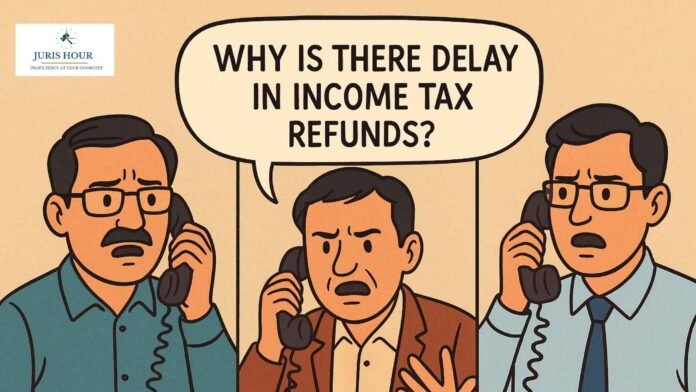
A growing number of taxpayers across the country are reporting prolonged delays in receiving their income tax refunds, triggering widespread anxiety and prompting repeated follow-ups with tax professionals. Chartered accountants (CAs) and tax consultants state that despite mounting queries, they are unable to provide timelines due to the absence of any official announcement from the tax authorities.
For the past several weeks, professionals have observed a pattern of refunds being withheld, allegedly due to increased scrutiny and verification measures undertaken this assessment year. While enhanced checks may be part of the department’s compliance strategy, experts emphasise that transparent communication is crucial to maintain public trust.
Tax practitioners note that the income tax administration has previously promoted “quick refund processing” through SMS alerts and email campaigns. However, no similar update has been issued regarding the current slowdown—leaving taxpayers in confusion and professionals caught in the middle.
In multiple professional forums and advisory groups, CAs have voiced the same concern: if refunds are being held for deeper verification, the Income Tax Department and Ministry of Finance must proactively inform taxpayers through official channels such as SMS, e-mail, or portal notifications.
Stakeholders argue that even a brief update would serve several essential purposes—reducing panic among taxpayers, avoiding unnecessary complaint escalations, and significantly lowering the burden of repeated refund-related calls to tax preparers.
With refund pendency reportedly affecting lakhs of assessees, the demand for clear communication has now taken centre stage. Professionals insist that transparency strengthens compliance and trust, and a simple nationwide announcement could help calm anxious taxpayers and streamline communication during this refund cycle.
As the issue continues to intensify, tax advisors are urging the authorities to issue an update at the earliest to avoid further inconvenience and ensure smoother engagement between taxpayers, intermediaries and the department itself.

