
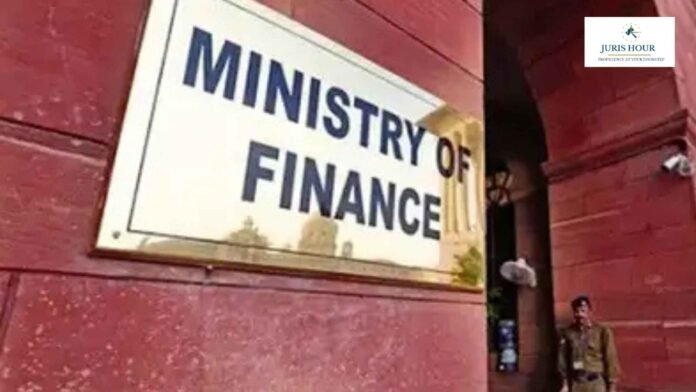
The Finance Ministry has notified a no-charge rule for payments made through RuPay-powered debit cards and Unified Payments Interface (UPI) transactions of up to ₹2,000. The order draws a new distinction between smaller UPI payments, which it expressly protects from charges, and transactions above ₹2,000, which it does not cover.
Issued on September 14 under Section 10A of the Payment and Settlement Systems Act, 2007, the order states that no bank or payment system provider may impose a charge, directly or indirectly, on a person making or receiving a payment through the specified modes. The ₹2,000 ceiling applies to UPI transactions; the notification does not state a corresponding transaction-value ceiling for RuPay-powered debit card payments. Read the Gazette notification.
Buy Now: E-Handbook: Draft Replies to GST Notices On 40+ Issues
The reference to a person receiving a payment is significant for merchants. For a covered transaction, the prohibition is not limited to a fee charged to the customer: it also bars a bank or system provider from indirectly charging the recipient for accepting that payment. Section 10A provides the statutory framework for the no-charge rule.
For UPI payments above ₹2,000, the notification’s wording raises a consequential policy question. Such transactions are absent from its express no-charge protection, leaving room for the government and payment regulators to consider whether merchant discount rate (MDR) or other fees should apply to them in future.
The notification does not, however, announce an MDR, set a fee rate or direct banks to begin charging for UPI payments above ₹2,000. Its immediate effect is to specify which payments receive protection under this order. Whether banks can introduce charges on larger UPI transactions will depend on the wider applicable rules and any further regulatory or policy decisions. The claim that fees can now automatically be charged would go beyond what the notification says.
The order therefore secures a clear no-charge position for UPI payments of ₹2,000 or less while putting the treatment of larger payments in focus. For businesses that routinely receive higher-value UPI payments, any subsequent decision on MDR could affect the cost of accepting digital payments. For now, the Finance Ministry has drawn the protected boundary without announcing a charge on the other side of it.
Membership Required to Access Case Details & Order Copy
To view the complete Case Details and Download Order Copy, you must have an active membership. Please subscribe to continue.
Read More: Gold Without Foreign Markings Can’t Be Confiscated on Suspicion of Smuggling: CESTAT

