
HomeNotificationGovt Reveals Details of Corporate Tax Rate Cuts and Revenue Losses

Govt Reveals Details of Corporate Tax Rate Cuts and Revenue Losses

Published on

🚀 Stay Connected With JurisHour

WhatsApp X Telegram

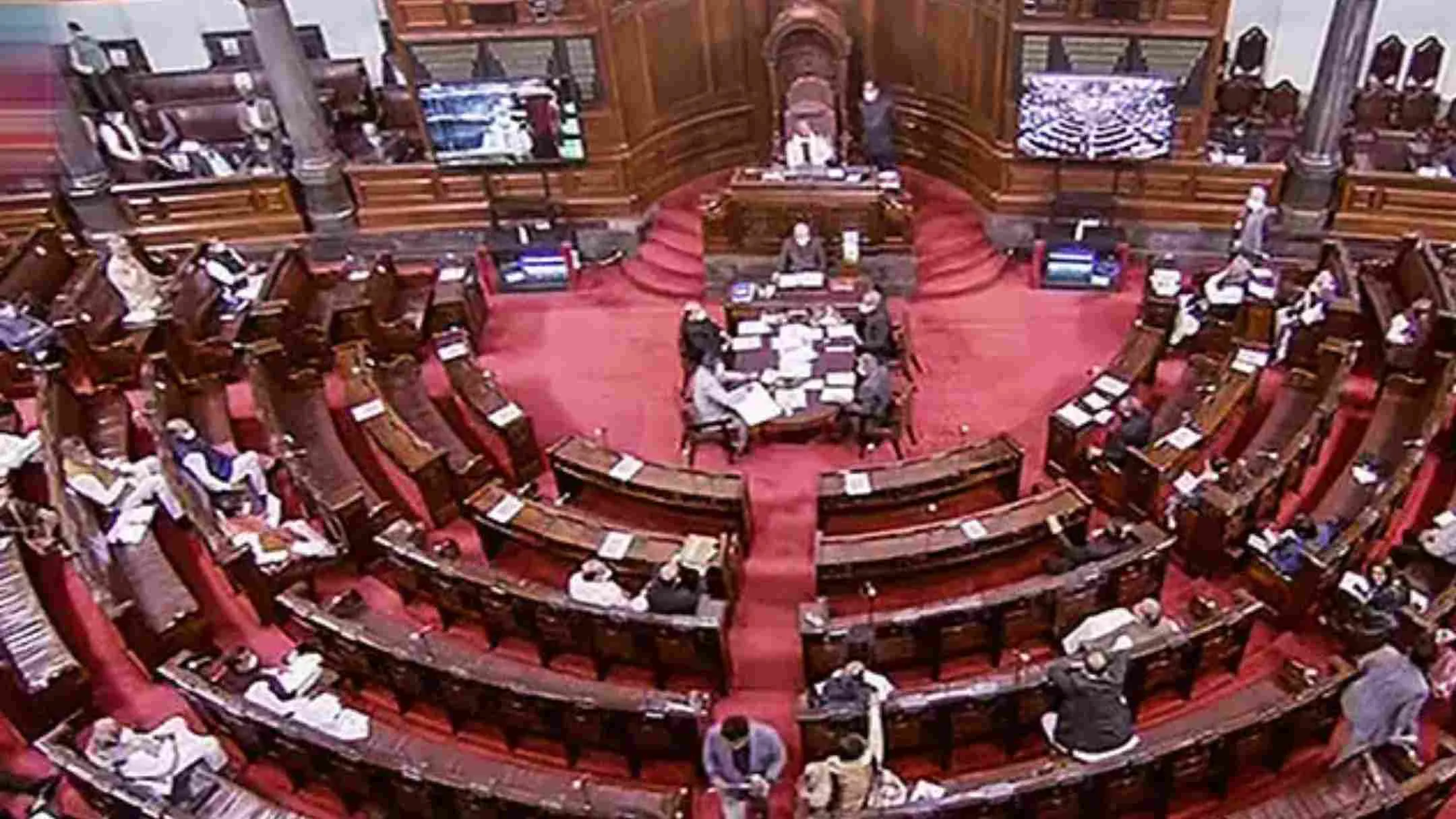
The Ministry of Finance has disclosed detailed information in the Rajya Sabha regarding corporate tax rate reductions carried out since 2014, along with their rationale and the revenue impact on the exchequer. 

Responding to an un-starred question by MP Raghav Chadha, Minister of State for Finance Pankaj Chaudhary highlighted a series of corporate tax cuts introduced through successive Finance Acts.

The government stated that these tax rate reductions were aimed at promoting growth, boosting investment, creating jobs, and making Indian companies globally competitive. The key reductions included:

  • 2016: Corporate tax reduced to 29% to stimulate growth and employment.
  • 2017: Corporate tax cut to 25% for smaller domestic companies with annual turnover up to ₹50 crore.
  • 2019 (Taxation Laws Amendment Act): Introduction of concessional rates under Sections 115BAA (22% for domestic companies) and 115BAB (15% for new manufacturing firms).
  • 2024 (Finance Act No. 2): Reduction in foreign company tax rates from 40% to 35% to attract more investment.

Revenue Forgone

The government also shared the estimated revenue forgone due to these corporate tax cuts:

  • 2019-20: ₹8,043 crore
  • 2020-21: ₹75,218 crore
  • 2021-22: ₹96,892 crore
  • 2022-23: ₹88,109 crore
  • 2023-24 (projected): ₹98,999 crore

Data for the current financial year (2024-25) is not yet available.

No Impact Assessment Conducted

The government admitted that it has not conducted any impact assessment to evaluate whether these tax cuts have effectively boosted private investment, economic growth, or employment generation. As a result, questions regarding findings on the effectiveness of the tax cuts “do not arise,” the ministry stated.

The disclosure comes amid ongoing debates over the fiscal implications of corporate tax reductions and whether they have translated into tangible economic benefits.

Read More: Centre Clears GST Compensation Dues; Only Arunachal Pradesh and Manipur Pending

Mariya Paliwala
Mariya Paliwalahttps://www.jurishour.in/
Mariya is the Senior Editor at Juris Hour. She has 7+ years of experience on covering tax litigation stories from the Supreme Court, High Courts and various tribunals including CESTAT, ITAT, NCLAT, NCLT, etc. Mariya graduated from MLSU Law College, Udaipur (Raj.) with B.A.LL.B. and also holds an LL.M. She started her career as a freelance tax reporter in the leading online legal news companies.

Latest articles

Mere Facilitation of Customs Clearance Can’t Establish Knowledge of Smuggling: Madras High Court 

The Madras High Court has held that mere facilitation of customs clearance cannot establish...

Income Tax Dept. Can’t Ignore Documents, Furnished by Assessee While Making Unexplained-Credit Addition: Delhi High Court 

The Delhi High Court has held that the income tax department cannot ignore documents,...

Delhi High Court Declines to Revisit CENVAT Credit Evidence, Holds Judicial Review of Settlement Commission Orders Narrow

The Delhi High Court has dismissed a writ petition challenging an order of the...

Settled Customs Dispute Can’t Be Reopened Through Article 226 Challenge to Interest Liability: Delhi High Court 

The Delhi High Court has held that a party which consciously opts to settle...

More like this

Mere Facilitation of Customs Clearance Can’t Establish Knowledge of Smuggling: Madras High Court 

The Madras High Court has held that mere facilitation of customs clearance cannot establish...

Income Tax Dept. Can’t Ignore Documents, Furnished by Assessee While Making Unexplained-Credit Addition: Delhi High Court 

The Delhi High Court has held that the income tax department cannot ignore documents,...

Delhi High Court Declines to Revisit CENVAT Credit Evidence, Holds Judicial Review of Settlement Commission Orders Narrow

The Delhi High Court has dismissed a writ petition challenging an order of the...