
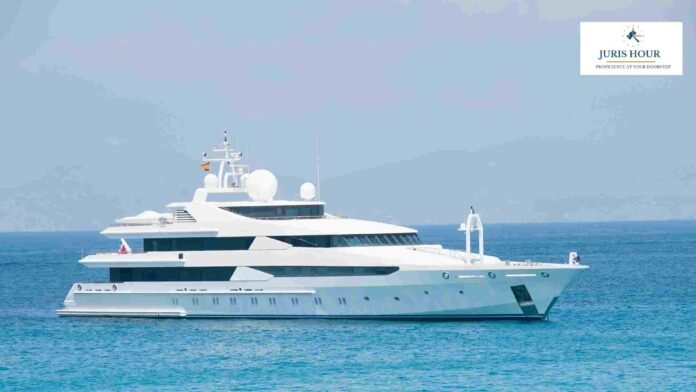
The U.S. Customs and Border Protection (CBP) clarified that a duty-paid yacht taken abroad for pleasure cruising does not become subject to customs duty upon its return to the United States, provided it was never “exported” within the meaning of customs law.
The decision came in response to a request for a binding ruling concerning a yacht owned by Ithaka Charter, LLC, which had previously been imported into the United States with all applicable duties paid. The owner sought clarity on whether the vessel would incur fresh customs duties after extended voyages outside U.S. territorial waters and subsequent re-entry into the country.
The yacht, a 63-foot expedition vessel built in China, was imported into the United States in 2013 and entered for consumption after payment of all applicable duties. It was later purchased by a U.S. company and used for long-distance pleasure cruising across multiple countries in Central and South America before returning to the United States.
Although the vessel was registered in the Cayman Islands for security reasons, it never physically entered Cayman territory. The yacht remained outside U.S. waters for more than three years during its voyages but periodically returned and ultimately remained in the United States. The owner later proposed to sell the yacht domestically to another U.S. citizen.
The central issue before CBP was whether sailing the yacht outside the United States for extended cruising constituted an “exportation.” Under U.S. customs regulations, previously imported goods that are exported and later reimported may become subject to duty again.
CBP explained that exportation requires two elements: first, physical removal of the goods from the United States; and second, intent to unite the goods with the commerce of a foreign country.
While the yacht had clearly left U.S. waters, CBP found no evidence that the owner intended to integrate the vessel into a foreign market or foreign commerce. The voyages were undertaken solely for pleasure cruising, and the yacht was always intended to return to the United States.
CBP emphasized that foreign registration alone does not establish exportation. Although the yacht was registered in the Cayman Islands, this was treated as only one factor and was insufficient to demonstrate intent to transfer the vessel into foreign commerce.
The authority noted that the yacht was never sold abroad, never entered into foreign commerce, and never permanently stationed in any foreign country—factors that weighed against a finding of exportation.
Based on the totality of the circumstances, CBP concluded that the yacht had not been exported within the meaning of customs regulations. As a result, its return to the United States did not constitute a reimportation, and no additional customs duty was payable.
The ruling also clarified that a subsequent sale of the yacht within the United States would not affect its duty-paid status.
Read More: Incentives from Vehicle Manufacturers Are Trade Discounts, Not Consideration for Service Tax: CESTAT

