
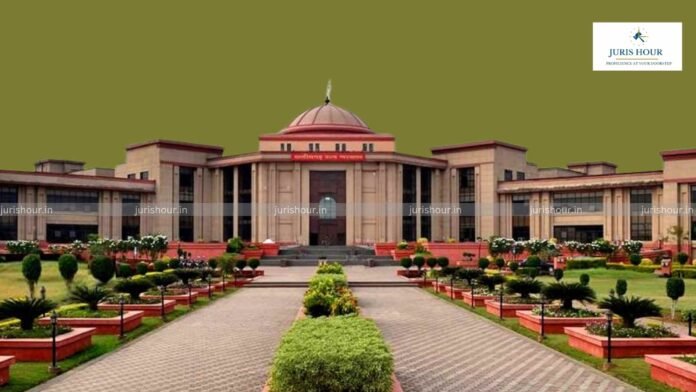
The Chhattisgarh High Court has quashed a service tax recovery notice issued against the widow of a deceased sole proprietor, holding that the tax authorities cannot recover service tax dues from the legal heirs of a deceased proprietor in the absence of any statutory machinery permitting such recovery.
The bench of Justice Rakesh Mohan Pandey relied on the Supreme Court’s landmark ruling in Shabina Abraham v. Collector of Central Excise and Customs, the Court ruled that proceedings initiated against legal representatives of a deceased proprietor are unsustainable in law.
The petitioner, Smt. Devan Anisha, is the widow of Late Mahendran Rupesh Naidu, who had carried on business as the sole proprietor of M/s Mahendran Rupesh Naidu, engaged in subcontracting services during the financial year 2013-14.
Buy Now: Service Tax Judgement E-Compilation : June 2026
The Service Tax Department had issued a show cause notice on October 12, 2018 alleging non-payment of service tax amounting to ₹10.74 lakh on receipts of approximately ₹86.97 lakh. The adjudicating authority subsequently confirmed the demand along with an equivalent penalty and other statutory dues. An appeal against the adjudication order was dismissed by the appellate authority.
Following the proprietor’s death on May 3, 2023, the department issued a garnishee notice and recovery proceedings against his widow as the legal representative in December 2024, seeking recovery of the outstanding service tax dues. Challenging this action, the petitioner approached the High Court contending that no proceedings could legally continue against the legal heirs of a deceased sole proprietor.
The tax department argued that the original tax demand had been validly raised during the lifetime of the proprietor and the appellate order had also been passed before his death. Consequently, according to the department, it retained the right to recover the assessed dues from the legal representatives of the deceased assessee.
Justice Rakesh Mohan Pandey noted that it was undisputed that the business was a sole proprietorship and that the recovery notice had been issued only after the proprietor’s death.
The Court examined the Supreme Court’s judgment in Shabina Abraham, which interpreted Section 11 of the Central Excise Act—a provision considered pari materia with the recovery provisions under the Finance Act, 1994. The Supreme Court had categorically held that the Central Excise Act contains no machinery provisions authorizing assessment or recovery proceedings against the legal heirs of a deceased assessee, unlike the Income Tax Act, which specifically provides for such situations.
The High Court observed that the absence of such machinery provisions is decisive. Merely because a tax demand had been confirmed during the lifetime of the proprietor does not empower the department to initiate recovery proceedings against his legal representatives after his death.
The Court relied extensively on the Supreme Court’s reasoning that recovery provisions become operative only where tax is legally “payable” under the statute. Since the Finance Act does not contain any mechanism for fastening liability upon the estate or legal heirs of a deceased sole proprietor, such dues cannot be recovered from them.
The Court emphasized that recovery provisions deal only with modes of recovery and cannot be stretched to create substantive liability against legal representatives where the legislature has consciously omitted such provisions.
Applying the binding precedent of the Supreme Court, the Chhattisgarh High Court held that the recovery notice dated December 13, 2024 issued against the petitioner’s legal representative status was illegal.
The Court quashed the demand notice and allowed the writ petition, granting relief to the widow from the proposed recovery proceedings.
Membership Required to Access Case Details & Order Copy
To view the complete Case Details and Download Order Copy, you must have an active membership. Please subscribe to continue.
Read More: November 30 GST Return Deadline Retrospective from July 1, 2017: Kerala High Court

