
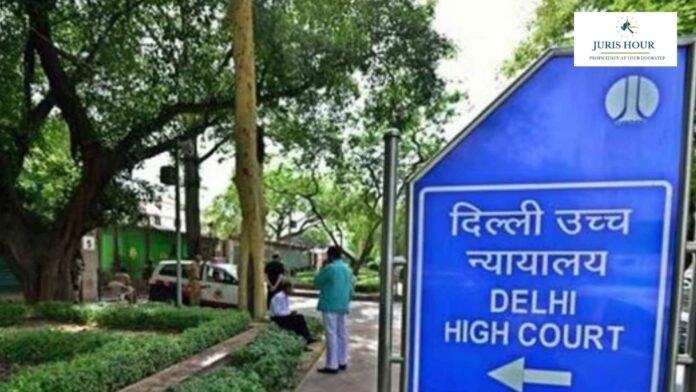
The Delhi High Court has declined to interfere with a GST show cause notice merely because the taxpayer’s detailed reply to the audit objections had been described as “non-satisfactory” in a single sentence.
A Division Bench of Justice Anil Kshetarpal and Justice Bharat Parashar objections concerning the audit process, limitation, computation of liability and an allegedly coerced deposit of ₹40.10 lakh could be examined by the adjudicating authority in the pending proceedings.
Buy Now: E-Magazine: 1000+ Landmark GST Judgments (2017–2026)
The appellant/assessee is a private limited company engaged in the distribution of medicines, challenged Demand-cum-Show Cause Notice No. 137 dated June 27, 2025, issued under Section 74 of the Central Goods and Services Tax Act, 2017.
The company also challenged the Audit Report and sought a direction requiring the authorities to consider its detailed reply dated June 18, 2025.
Another significant grievance concerned ₹40,10,153 deposited through Form GST DRC-03 on March 25, 2025. The company alleged that the payment had been obtained through coercion during the onsite audit and requested that it should not be appropriated.
The audit began with a notice in Form GST ADT-01 dated September 6, 2024, which the company received on September 9, 2024. According to the company, the original audit period extended from April 1, 2018, to March 31, 2023.
The company stated that it supplied documents and information between November 2024 and January 2025 and responded to subsequent communications seeking further material.
An onsite audit was conducted between March 20 and March 25, 2025. The company alleged that the audit team sought to expand the scope of the exercise and demanded information relating to periods beyond those specified in the original notice.
It further alleged that the ₹40.10 lakh deposit was made despite its request for a formal communication or audit memo explaining the alleged liability and the basis of the demand.
In a communication dated March 29, 2025, the company disputed the voluntary nature of the deposit and stated that it should not be treated as an admission of liability.
According to the company, an audit memo dated March 28, 2025, was supplied to it on April 4, 2025. The memo required payment of ₹75,41,830, besides applicable interest and penalty.
The company contended that the memo lacked adequate details and calculations explaining the proposed liability. It consequently sought the underlying workings through communications dated April 9 and April 11, followed by a reminder on April 25, 2025.
The audit report was issued on April 29, 2025. The company alleged that its earlier deposit had been appropriated and that the detailed workings supporting the liability were furnished only on May 14, 2025.
Its case was that supplying this material after finalisation of the audit report deprived it of an effective opportunity to respond at the audit stage.
The department subsequently issued an intimation in Form GST DRC-01A dated June 2, 2025, informing the company of the proposed liability and indicating that proceedings under Section 74 would follow if payment was not made.
The company submitted a detailed reply on June 18, 2025, accompanied by supporting documents, and requested a personal hearing.
Its objections included the invocation of Section 74, limitation concerning the liability for financial year 2017-18, the conduct of the audit, appropriation of the DRC-03 deposit and computation of the proposed demand.
The company also maintained that substantial portions of the demand were unsustainable, had already been discharged, were incorrectly calculated or otherwise required exclusion.
The department thereafter issued the challenged show cause notice on June 27, 2025.
Before the High Court, the company primarily relied on Rule 101(4) of the CGST Rules, 2017. It argued that the provision requires the proper officer to finalise audit findings after duly considering the registered person’s reply.
The company submitted that the use of the word “shall” made this requirement mandatory. It contended that merely describing its detailed response as “non-satisfactory” did not amount to compliance with that obligation.
The Bench acknowledged that a statutory requirement obliging an officer to consider a taxpayer’s reply must be followed. However, it held that the adequacy of that consideration and the effect of the objections could appropriately be examined during adjudication.
The Court noted that the audit had already culminated in a report and that statutory adjudicatory proceedings had commenced through the Section 74 notice.
It explained that the allegations and proposals in the notice remained subject to adjudication by the competent authority. The company therefore had an opportunity to place all its objections before that authority.
The Bench also found that the reply had not been wholly ignored: the impugned proceedings expressly referred to the June 18, 2025 response and recorded that it was unsatisfactory.
Nevertheless, the Court did not conclusively approve the adequacy of that treatment. It held that dealing with the reply in one sentence could not, by itself, justify quashing the subsequent show cause notice or undertaking an examination of the underlying tax liability in the writ proceedings.
Whether the treatment of the reply satisfied the statutory requirement, and whether its objections deserved acceptance, rejection or partial acceptance, remained matters for the adjudicating authority.
The Bench expressly declined to decide whether the ₹40,10,153 payment was voluntary or coerced. It also left open the question of its appropriation.
Similarly, the Court did not determine the limitation objection, the alleged jurisdictional defect in the audit, the correctness of the proposed demand or the validity of the audit findings.
The company was permitted to raise its complete objections before the adjudicating authority, including its grievance that the audit-stage reply had not been properly considered.
The Court clarified that directing the company to the statutory adjudicatory mechanism should not be understood as an endorsement of the department’s substantive position.
After considering the explanation furnished by the concerned respondent and the decision to leave the tax dispute to statutory adjudication, the Bench concluded that continuing the contempt proceedings was inappropriate and closed them.
The Court disposed of the writ petition and the pending application without interfering with the show cause notice. It directed the adjudicating authority to consider the company’s objections independently on their merits.
Membership Required to Access Case Details & Order Copy
To view the complete Case Details and Download Order Copy, you must have an active membership. Please subscribe to continue.

