
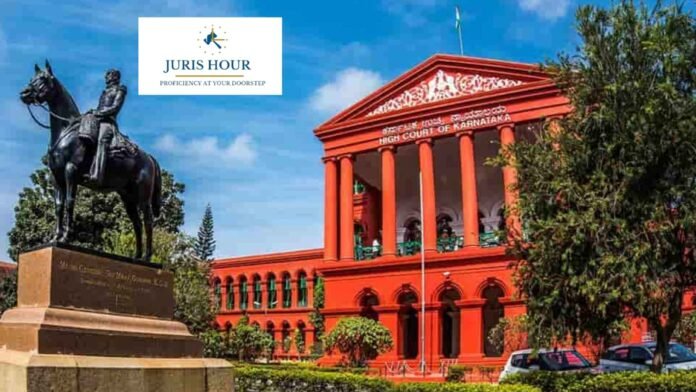
The Karnataka High Court has quashed an ex-parte GST adjudication order and the subsequent rejection of an appeal on limitation, holding that the taxpayer should be given another opportunity to establish the genuineness of transactions underlying an Input Tax Credit (ITC) mismatch between Forms GSTR-3B and GSTR-2A.
The bench of Justice B M Shyam Prasad restored the proceedings to the adjudicating authority, subject to the taxpayer depositing 10% of the tax demand and producing supporting documents by October 5, 2026.
Buy Now: E-Magazine: 1000+ Landmark GST Judgments (2017–2026)
The proceedings arose from a mismatch between the Input Tax Credit paid and claimed in Form GSTR-3B and the details reflected in Form GSTR-2A. The petitioner contended that the mismatch could be explained through documentary evidence establishing the genuineness of the underlying transactions.
The adjudication order had been passed under Section 73(9) of the GST Acts. According to the petitioner, the show cause notice in Form GST DRC-01 and the earlier intimation in Form GST DRC-01A had not been effectively communicated. The petitioner asserted that the show cause notice was neither uploaded on the GST portal nor served through a copy, leaving it unaware of the proceedings and unable to submit a reply.
The petitioner further claimed that even the adjudication order was not within its knowledge at the relevant time. Consequently, it could not take timely action against the demand. The liability mentioned in the petition was ₹7,46,819, along with applicable interest.
The Department maintained that the petitioner had been granted adequate opportunities to participate in the adjudication proceedings. The adjudicating authority referred to a show cause notice in Form GST DRC-01 dated December 27, 2023, and stated that personal hearings had been fixed on April 2, April 4 and April 5, 2024.
According to the authority, the hearing dates were communicated through a letter dated March 26, 2024, dispatched by Speed Post with acknowledgment due and also sent to the email address registered with the GSTIN. The Speed Post communications were returned by the postal authorities. The authority nevertheless recorded that three opportunities for personal hearing had been provided and that neither the petitioner nor its representatives appeared.
The adjudicating authority also noted that the petitioner had not sought an adjournment or explained its absence. It therefore proceeded to decide the matter on the basis of the available records, observing that the proceedings related to financial year 2018-19 and that the statutory deadline for passing the order was April 30, 2024.
The petitioner subsequently challenged the adjudication order before the appellate authority. However, the appeal was rejected on the ground of limitation.
The appellate authority observed that the delay beyond 120 days from the date of the adjudication order could not be condoned in law. The appeal had been filed more than two years after the adjudication order dated April 27, 2024. The petitioner argued that the delay was attributable to its lack of knowledge of the ex-parte order and that it could not have filed an appeal within the prescribed period.
The petitioner approached the High Court under Articles 226 and 227 of the Constitution, seeking quashing of both the adjudication order and the appellate order. It also sought quashing of a letter dated December 1, 2025, issued in Form GST DRC-13 to the Branch Manager of Punjab National Bank, Tasker Town, Bengaluru, under Section 79(1)(c) of the GST Act, 2017.
The petitioner relied on Board Circulars dated December 27, 2022, and July 17, 2023. The petitioner submitted that these circulars contemplated an opportunity for a Registered Taxable Person to produce documents establishing the genuineness of transactions, even where the transactions were not declared by the supplier.
The petitioner contended that the mismatch between GSTR-3B and GSTR-2A could be reconciled through relevant documents and certificates. It sought an opportunity to place the books of accounts and supporting evidence before the adjudicating authority.
The court considered the circumstances of the case and the terms of the Board Circulars relied upon by the petitioner. The Court concluded that the petitioner should be given another opportunity to establish the genuineness of the transactions and explain the ITC mismatch.
The Court accordingly allowed the writ petition and quashed the appellate order dated February 4, 2026, as well as the adjudication order dated April 27, 2024. The proceedings were restored to the second respondent for fresh consideration.
The restoration was made subject to the various conditions.
Firstly, the petitioner must deposit 10% of the tax demand by October 5, 2026, subject to the outcome of the restored proceedings.
Secondly, the petitioner may file, along with a certified copy of the High Court’s order, documents establishing the genuineness of the transactions and any relevant reconciliation.
Thirdly, the petitioner must produce the documents by October 5, 2026.
Fourthly, the adjudicating authority must consider the documents and conclude the proceedings by passing a reasoned order.
Membership Required to Access Case Details & Order Copy
To view the complete Case Details and Download Order Copy, you must have an active membership. Please subscribe to continue.
Read More: S. 69 IT Act: Can Disclosed Investments and Advances Be Treated as Unexplained? Calcutta HC Answers

