
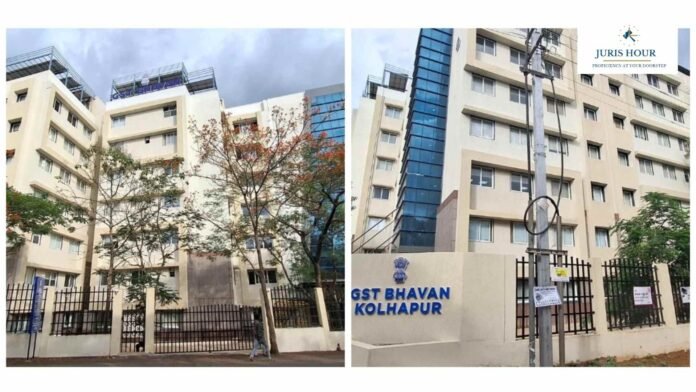
In a significant crackdown on GST fraud, the Anti-Evasion Wing of the Central Goods and Services Tax (CGST) Commissionerate, Kolhapur, has unearthed a fake invoice racket involving fraudulent Input Tax Credit (ITC) worth ₹10.57 crore. The operation culminated in the arrest of the alleged mastermind on July 6, 2026, marking the first arrest made by the CGST Kolhapur Commissionerate under the leadership of Shri Sumit Kumar Yadav, Commissioner, and Shri Rohit Joshi, Joint Commissioner.
According to the department, the accused is alleged to have orchestrated a sophisticated network of six shell entities that were created solely for the purpose of issuing and utilizing fake GST invoices. These entities reportedly facilitated the wrongful availment and passing on of fraudulent Input Tax Credit without any genuine supply of goods or services, resulting in a substantial loss to the Government exchequer.
The investigation by the Anti-Evasion Wing revealed that the shell firms were used as conduits to generate fictitious transactions, enabling the illegal flow of tax credits in violation of the provisions of the Central Goods and Services Tax Act, 2017. Acting on the findings of the investigation, CGST officers arrested the key accused on July 6, 2026.
Following the arrest, the accused was produced before the competent court, which remanded him to judicial custody. The investigation is expected to continue to identify other beneficiaries and individuals who may have been involved in the fake invoicing network.
Officials described the action as a significant milestone for the Commissionerate’s enforcement efforts against GST fraud. The arrest underscores the department’s increasing focus on dismantling organized tax evasion syndicates that exploit shell companies and fraudulent invoicing to siphon off public revenue.
The CGST Kolhapur Commissionerate stated that it remains committed to protecting Government revenue and taking stringent action against tax evaders. The department reiterated that the use of fake invoices and fraudulent ITC claims constitutes a serious economic offence and that enforcement agencies will continue to adopt a zero-tolerance approach towards such violations.
The case adds to the growing nationwide crackdown by GST authorities on fake invoicing and bogus ITC frauds, which have emerged as one of the most significant forms of indirect tax evasion in recent years.
Read More: Can GST Authorities Issue One Show Cause Notice for Multiple FY? Supreme Court to Decide

