
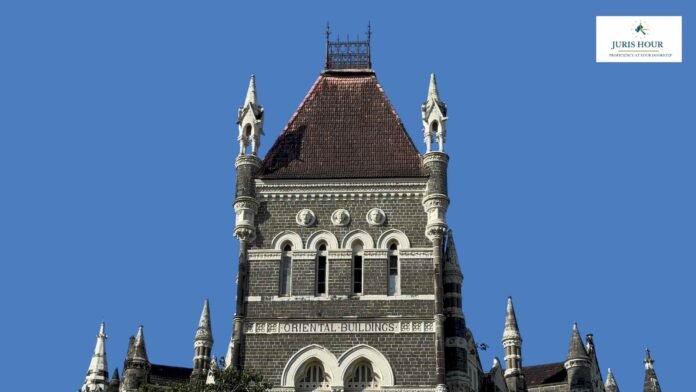
The Bombay High Court has prima facie held that the Central GST authorities cannot raise a demand for the same financial years for which the State GST authorities have already passed a settlement order under Section 128A of the Central Goods and Services Tax Act, 2017.
A division bench comprising Justice M.S. Karnik and Justice Sandesh D. Patilhas observed, “Prima facie, in our view, once the State GST has already issued the settlement order under Section 128A of the CGST Act, such a raising of the demand by the CGST would be impermissible,”
The petitioner/assessee informed the High Court that it had applied for relief under Section 128A of the CGST Act before the State GST authorities. The application was entertained, and a settlement order was subsequently passed in its favour.
Buy Now: 150 + Judgments On GST – E-Compilation For August 2026
Despite the settlement order, the Central GST authorities allegedly raised another demand against the petitioner for the same tax periods—financial years 2018-19 and 2019-20.
Counsel for the petitioner contended that the subsequent demand was impermissible because the tax dispute for the relevant financial years had already been settled by the State GST authorities under the statutory mechanism provided in Section 128A.
After considering the submission, the High Court observed that once the State GST authorities had issued a settlement order under Section 128A, the Central GST authorities could not prima facie raise another demand for the same financial years.
Section 128A of the CGST Act provides for the waiver of interest, penalty or both in specified cases involving demands raised under Section 73 for the initial years of GST implementation, subject to the taxpayer satisfying the prescribed conditions, including payment of the applicable tax amount.
The provision was introduced to resolve eligible disputes relating to non-fraud demands from the early years of the GST regime. Once the requirements of the provision are fulfilled and the competent authority passes the appropriate order, the dispute covered by that order is treated in accordance with the statutory settlement framework.
The High Court has not yet delivered a final ruling on the legality of the CGST demand. Its observation is prima facie and was made while granting interim protection to the petitioner.
The bench directed the respondent authorities to file their affidavit in reply within four weeks. The petitioner was permitted to file a rejoinder, if any, within two weeks thereafter.
Protecting the petitioner during the pendency of the proceedings, the High Court directed that no coercive action should be taken against it until the next date of hearing.
Membership Required to Access Case Details & Order Copy
To view the complete Case Details and Download Order Copy, you must have an active membership. Please subscribe to continue.
Read More: BookMyShow Convenience Fee Is Not Commission; No TDS Liability U/S 194H: ITAT

