
Ask Jurishour AI

Generic selectors
Exact matches only
Search in title
Search in content
Post Type Selectors
tdb_templates
saswp_reviews
saswp-collections
saswp_rvs_location
tdc-review-email
web-story-font
web-story
googlesitekit_email
tds_locker
tds_email
saswp
mailpoet_page
mailpoet_email
tdcpt_tunes
tdc-review
pronamic_payment
pronamic_gateway
pronamic_pay_subscr
wpcode
HomeDirect TaxJewellers Use Banned LIFO Method to Evade Taxes, Say Tax Authorities

Jewellers Use Banned LIFO Method to Evade Taxes, Say Tax Authorities

Published on

🚀 Stay Connected With JurisHour

WhatsApp X Telegram

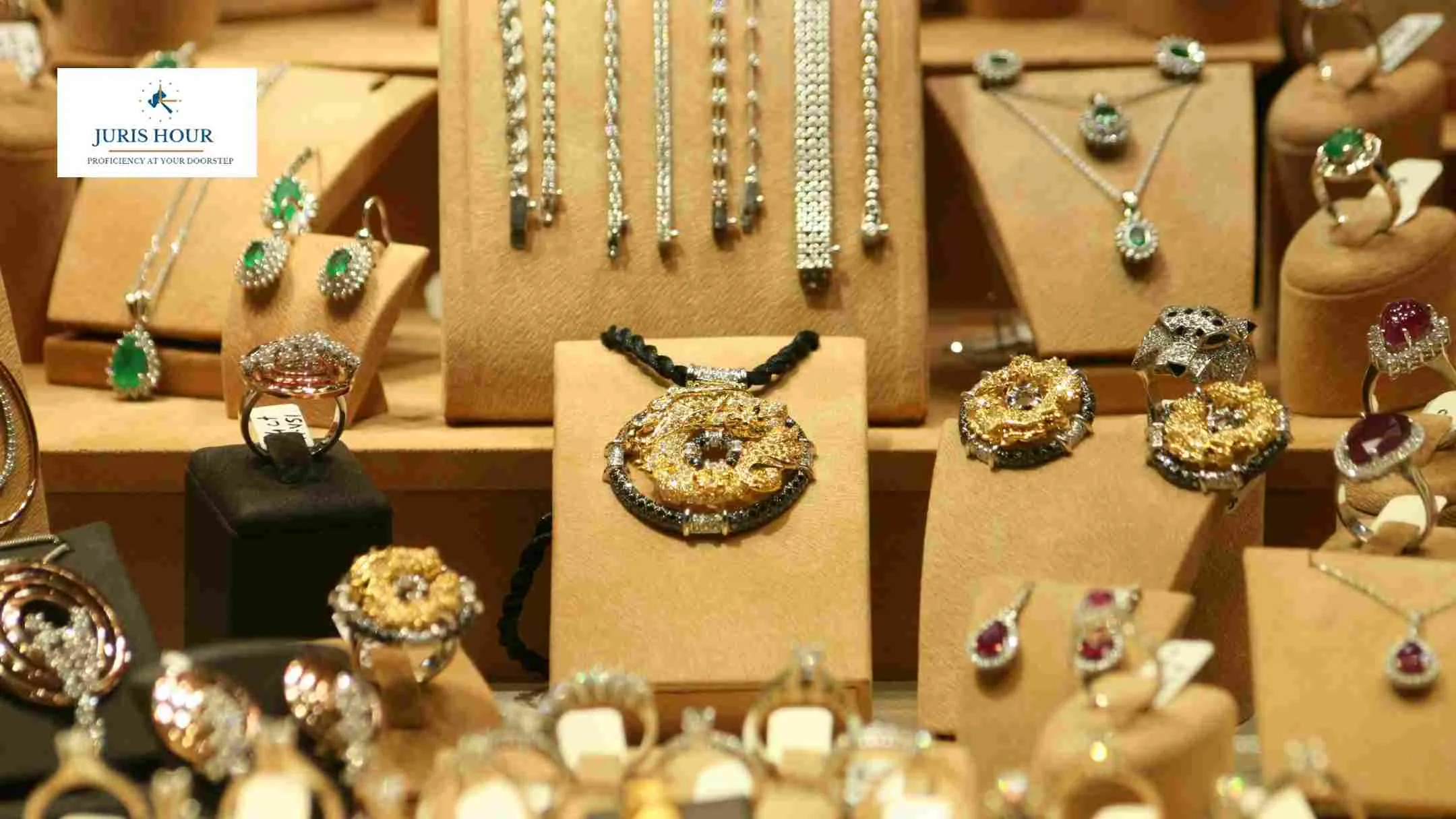
In a major revelation, the Income Tax Department has unearthed a clever accounting ploy allegedly used by several jewellers to reduce tax liabilities amid rising gold prices.

The jewellers may have secretly shifted from the permitted FIFO (First In, First Out) method to the now-banned LIFO (Last In, First Out) approach to present reduced profits on paper — a tactic that could significantly shrink their tax burden.

Under FIFO, the older (and cheaper) stock is considered sold first, leaving the newer, more expensive inventory on hand — thereby increasing the value of unsold stock and reflecting higher profits.

However, by using LIFO, jewellers claim to sell the latest (costlier) gold first. The older, cheaper gold remains in their books, artificially lowering the value of closing inventory — and, in turn, the declared profit and tax liability.

This trick is problematic because India’s Income Tax Act, since FY 2016-17, strictly prohibits the use of LIFO. Under ICDS II (Income Computation and Disclosure Standards), only FIFO or the weighted average cost method is allowed for inventory valuation.

The Income Tax Department is reportedly gearing up to take action against jewellers found indulging in this accounting manipulation, which could include penalties, income reassessments, and potential prosecution in serious cases.

With gold prices continuing to climb, authorities are expected to tighten scrutiny over the sector to curb such evasive practices.

Read More: India’s GST Collections Grow by 7.5% in July 2025, Cross Rs. 1.95 Lakh Crore

Mariya Paliwala
Mariya Paliwalahttps://www.jurishour.in/
Mariya is the Senior Editor at Juris Hour. She has 7+ years of experience on covering tax litigation stories from the Supreme Court, High Courts and various tribunals including CESTAT, ITAT, NCLAT, NCLT, etc. Mariya graduated from MLSU Law College, Udaipur (Raj.) with B.A.LL.B. and also holds an LL.M. She started her career as a freelance tax reporter in the leading online legal news companies.

Latest articles

Support Services To Overseas Group Companies Are Exports, Not Intermediary Services: GSTAT 

The Goods and Services Tax Appellate Tribunal (GSTAT), Delhi, has held that support services...

Closed Premises Alone Can’t Prove Fictitious GST Transactions: GSTAT 

The Goods and Services Tax Appellate Tribunal (GSTAT), Agra Bench, has held that finding...

Seized Diary Entries Alone Can’t Establish Suppressed GST Turnover Without Transaction-Wise Verification: GSTAT

The Goods and Services Tax Appellate Tribunal (GSTAT), Agra Bench, has held that suppressed...

E-Way Bill Part B Lapse Alone Can’t Justify GST Penalty Without Intent To Evade Tax: GSTAT

The Goods and Services Tax Appellate Tribunal (GSTAT), Agra State Bench, has dismissed a...

More like this

Support Services To Overseas Group Companies Are Exports, Not Intermediary Services: GSTAT 

The Goods and Services Tax Appellate Tribunal (GSTAT), Delhi, has held that support services...

Closed Premises Alone Can’t Prove Fictitious GST Transactions: GSTAT 

The Goods and Services Tax Appellate Tribunal (GSTAT), Agra Bench, has held that finding...

Seized Diary Entries Alone Can’t Establish Suppressed GST Turnover Without Transaction-Wise Verification: GSTAT

The Goods and Services Tax Appellate Tribunal (GSTAT), Agra Bench, has held that suppressed...