
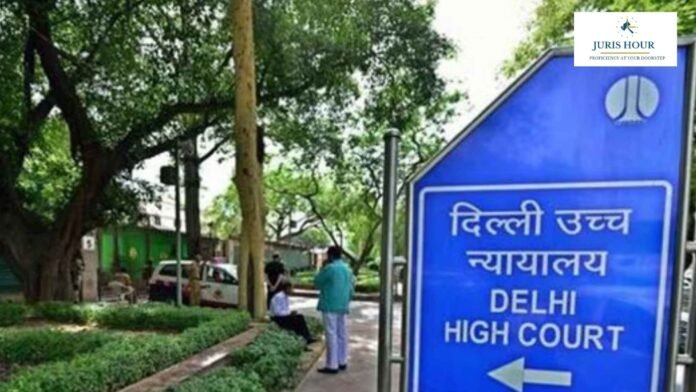
The Delhi High Court has held that penalty proceedings must be kept in abeyance while an appeal against the relevant assessment order is pending before the Income Tax Appellate Tribunal (ITAT). Applying this interpretation of Section 275(1)(a) of the Income Tax Act, 1961, the Court quashed a penalty order passed against BT Global Communications India Private Limited under Section 270A.
The Bench of Justice Dinesh Mehta and Justice Aditi Choudhary observed that the Assessing Officer’s decision to impose the penalty during the pendency of the company’s assessment appeal was contrary to Section 275(1)(a).
Buy Now: Direct tax (Income Tax) E-Magazine September 2026
The dispute arose from an assessment order dated July 28, 2022, passed for Assessment Year 2018–19 under Section 143(3), read with Section 144C(13), of the Income Tax Act.
While passing the assessment order, the Assessing Officer recorded satisfaction for initiating penalty proceedings and issued a notice under Section 270A on the same day.
The company submitted its reply to the penalty notice on August 17, 2022. Subsequently, on August 29, 2022, it filed an appeal against the assessment order before the ITAT under Section 253. It also informed the Assessing Officer about the filing of the appeal.
Despite the pending appeal, the Assessing Officer passed an order imposing a penalty on March 24, 2023. The company challenged that order through a writ petition before the High Court.
The company argued that the penalty order was void and without jurisdiction because it had been passed while its appeal against the underlying assessment was pending before the Tribunal.
Its counsel submitted that Section 275(1)(a) required the penalty proceedings to remain in abeyance during the pendency of an appeal under Section 253. The company further maintained that the Assessing Officer had been specifically informed about the appeal before the penalty order was passed.
For the Income Tax Department, Senior Standing Counsel Anurag Ojha referred to a recorded statement indicating that the company was still in the process of filing an appeal.
Examining the impugned order, the Court noted that its third paragraph created the impression that the company was merely contemplating an appeal. However, the Bench observed that this statement appeared to have been taken from the company’s first reply dated August 17, 2022.
The appeal was subsequently filed on August 29, 2022. The Court recorded that there was no denial either of the filing of the appeal or of the intimation given on that date.
The Bench therefore assessed the penalty order against the actual position prevailing when it was passed: the assessment appeal was already pending before the Tribunal.
The Court further held that whether the Assessing Officer had been informed of the appeal was immaterial to its conclusion under Section 275(1)(a).
Interpreting the provision, the Bench stated that penalty proceedings must remain in abeyance when an appeal under Section 253 is pending. It noted that the company’s appeal was pending both when the penalty order was passed and when the writ petition was decided.
Section 275(1)(a), as reproduced in the judgment, links the time limit for imposing a penalty to the completion of the relevant proceedings and the receipt of the appellate order by the designated income tax authority. The Court relied on this provision to hold that the impugned penalty order could not stand.
The High Court quashed and set aside the penalty order dated March 24, 2023, holding it contrary to Section 275(1)(a).
The Bench nevertheless preserved the Assessing Officer’s ability to take up penalty proceedings afresh if the Tribunal decides the assessment appeal against the company and the law permits such action.
Membership Required to Access Case Details & Order Copy
To view the complete Case Details and Download Order Copy, you must have an active membership. Please subscribe to continue.

