
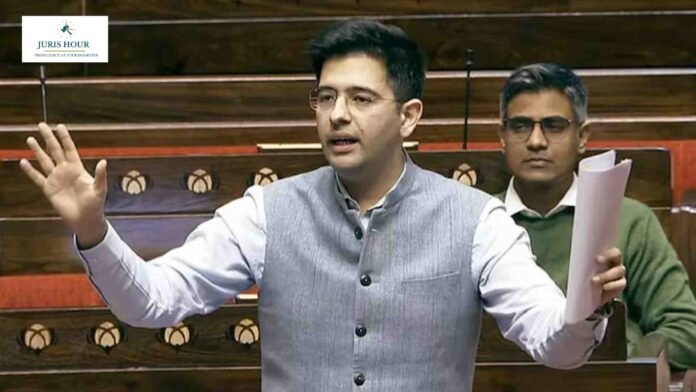
A Member of Parliament has raised concerns in the Parliament of India regarding issues faced by prepaid mobile users across India, highlighting that nearly 90% of the country’s 125 crore mobile subscribers rely on prepaid connections. The MP argued that current telecom recharge policies can leave users disconnected from essential communication once the validity of their recharge expires.
The issue particularly relates to the practice of stopping incoming calls and SMS services once the recharge validity ends. According to the MP, while it may be reasonable for telecom operators to stop outgoing services after expiry, blocking incoming calls and messages can cause serious inconvenience. The MP noted that this may prevent people from receiving critical communications such as bank OTPs, emergency calls, and important government messages, effectively leaving users unreachable in urgent situations.
Table of Contents
Key Demands Raised in Parliament
The MP proposed several consumer-friendly reforms for telecom operators and regulators:
Incoming Calls & SMS Continuity: Incoming calls and messages should continue for at least one year after the last recharge, ensuring people remain reachable for essential communication.
Delayed Deactivation of Mobile Numbers: A mobile number should not be permanently deactivated for at least three years after the last recharge.
Low-Cost “Incoming Only” Plan: Telecom operators should introduce an affordable plan that keeps a number active only for receiving calls, OTPs, and important alerts.
The MP emphasized that such measures would help millions of low-income and rural users who often maintain mobile numbers primarily for receiving important communication.
Concern Over 28-Day “Monthly” Plans
Another issue raised in Parliament was the widespread use of 28-day recharge plans marketed as monthly plans. The MP argued that a plan labelled “monthly” should ideally follow the calendar month of 30 or 31 days.
Because of the current 28-day cycle, users end up purchasing 13 recharges in a year instead of 12, effectively increasing the annual cost of telecom services. The MP urged telecom operators to align their recharge validity with actual calendar months to ensure transparency and fairness for consumers.
Call for Regulatory Attention
The concerns raised may prompt scrutiny from the Telecom Regulatory Authority of India (TRAI), which regulates telecom services in the country. Consumer groups have previously also raised questions about pricing transparency and recharge validity structures.
Concluding the remarks, the MP stressed that mobile connectivity has become a basic necessity rather than a luxury, and telecom policies should reflect this reality by ensuring fair and consumer-friendly practices for prepaid users.
Read More: Rs. 450 Cr Profiteering By Tata Play For Charging Same Subscription Fee Pre-Post-GST: GSTAT

