
Ask Jurishour AI

Generic selectors
Exact matches only
Search in title
Search in content
Post Type Selectors
tdb_templates
saswp_reviews
saswp-collections
saswp_rvs_location
tdc-review-email
web-story-font
web-story
googlesitekit_email
tds_locker
tds_email
saswp
mailpoet_page
mailpoet_email
tdcpt_tunes
tdc-review
pronamic_payment
pronamic_gateway
pronamic_pay_subscr
wpcode
HomeColumnsNew Income Tax Act, 2025: JCIT Appeal Disposal Limit Raised from Rs....

New Income Tax Act, 2025: JCIT Appeal Disposal Limit Raised from Rs. 10 Lakh to Rs. 25 Lakh

Published on

🚀 Stay Connected With JurisHour

WhatsApp X Telegram

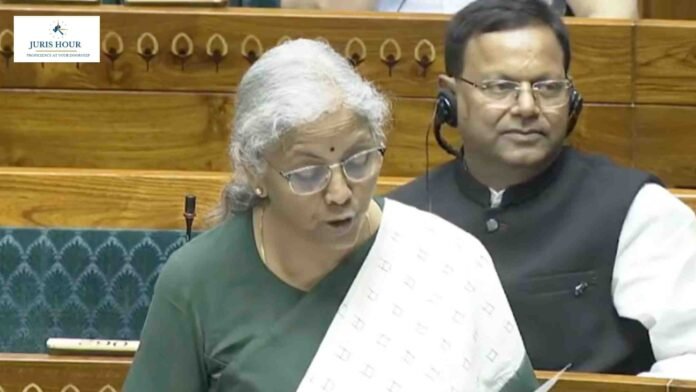
The Union Finance Minister Nirmala Sitharaman stated that the proposed New Income Tax Act, 2025 has raised the  appeal disposal limit of (JCIT) from Rs. 10 lakh to Rs. 25 lakh.

The Finance Minister highlighted that the new framework is designed to be more taxpayer-friendly, reducing reliance on intermediaries such as tax consultants. This move is expected to promote voluntary compliance and enhance transparency in the tax system.

A key feature of the reform is the substantial increase in the monetary thresholds for filing appeals across judicial forums. The threshold for appeals before the Income Tax Appellate Tribunal (ITAT) has been raised from ₹50 lakh to ₹60 lakh. Similarly, the limit for filing appeals before High Courts has been doubled from ₹1 crore to ₹2 crore. In a notable jump, the threshold for approaching the Supreme Court of India has been increased from ₹2 crore to ₹5 crore.

These revisions are expected to reduce litigation burden and allow courts to focus on high-value and complex disputes, thereby improving judicial efficiency.

Further, the government has enhanced the jurisdictional limit for disposal of disputed demand cases by Joint Commissioners of Income Tax (Appeals). The threshold has been increased from Rs. 10 lakh to Rs. 25 lakh, enabling faster resolution of smaller disputes at departmental levels.

The reforms signal the government’s continued push towards ease of doing business and taxpayer convenience, while also aiming to streamline the appellate process and reduce backlog in higher judicial forums.

Read More: Can Property Acquired Before PMLA Be Attached as ‘Proceeds of Crime’? Delhi High Court Examines

Mariya Paliwala
Mariya Paliwalahttps://www.jurishour.in/
Mariya is the Senior Editor at Juris Hour. She has 7+ years of experience on covering tax litigation stories from the Supreme Court, High Courts and various tribunals including CESTAT, ITAT, NCLAT, NCLT, etc. Mariya graduated from MLSU Law College, Udaipur (Raj.) with B.A.LL.B. and also holds an LL.M. She started her career as a freelance tax reporter in the leading online legal news companies.

Latest articles

Areca Nuts Transport | Dispatch Location Mismatch Alone Can’t Justify GST Penalty Without Tax Evasion: GSTAT

The Goods and Services Tax Appellate Tribunal (GSTAT), Varanasi Bench, has set aside a...

IBC Moratorium Doesn’t Bar Corporate Debtor’s Arbitration Claim To Recover Dues: Supreme Court

The Supreme Court has held that the moratorium under Section 14 of the Insolvency...

No Detention For Non-Levy Of IGST On Job Work Movement Backed By Valid Documents: GSTAT

The Goods and Services Tax Appellate Tribunal (GSTAT), Bengaluru, has held that the mere...

Mere Omission In GST Returns Doesn’t Justify S. 74 Penalty: GSTAT

The Goods and Services Tax Appellate Tribunal (GSTAT), Bengaluru Bench, has held that mere...

More like this

Areca Nuts Transport | Dispatch Location Mismatch Alone Can’t Justify GST Penalty Without Tax Evasion: GSTAT

The Goods and Services Tax Appellate Tribunal (GSTAT), Varanasi Bench, has set aside a...

IBC Moratorium Doesn’t Bar Corporate Debtor’s Arbitration Claim To Recover Dues: Supreme Court

The Supreme Court has held that the moratorium under Section 14 of the Insolvency...

No Detention For Non-Levy Of IGST On Job Work Movement Backed By Valid Documents: GSTAT

The Goods and Services Tax Appellate Tribunal (GSTAT), Bengaluru, has held that the mere...