
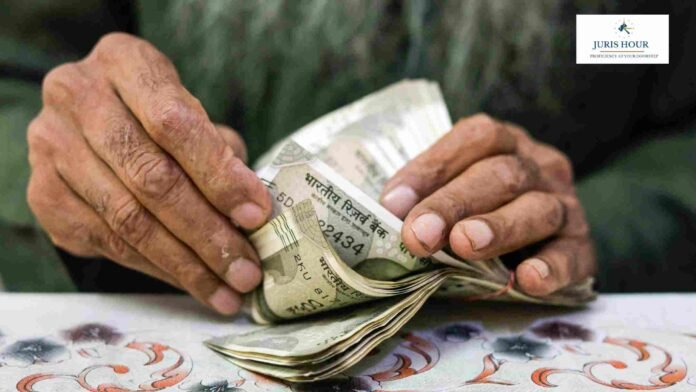
Not all cash transactions are permitted under Indian tax laws. The Income Tax Act, 1961, places strict restrictions on high-value cash dealings to promote transparency and curb black money. Exceeding these limits can attract severe penalties—sometimes equal to the transaction amount itself. Here’s a detailed overview of the key provisions you should know.
Cash Receipt Limit – ₹2,00,000 (Section 269ST)
Under Section 269ST, no person can receive ₹2,00,000 or more in cash:
- From a single person in a single day,
- In respect of a single transaction, or
- In relation to transactions connected with one event or occasion from one person.
All such receipts must be made through an account payee cheque, account payee bank draft, or digital modes such as NEFT, RTGS, or UPI.
Example:
If a customer purchases goods worth ₹2,50,000, the seller cannot accept the payment in cash. The amount must be received through a banking channel.
Penalty for Violation (Section 271DA)
If any person receives ₹2,00,000 or more in cash in contravention of Section 269ST, a penalty equal to 100% of the cash amount received may be imposed.
Example: Receiving ₹3,00,000 in cash would attract a penalty of ₹3,00,000.
Cash Loan or Deposit Limit – ₹20,000 (Sections 269SS and 269T)
The law also restricts acceptance and repayment of loans or deposits in cash.
- No person can accept a loan or deposit of ₹20,000 or more in cash.
- Similarly, no person can repay a loan or deposit of ₹20,000 or more in cash.
All such transactions must be made through an account payee cheque, bank draft, or electronic clearing system.
Example:
If a person borrows ₹50,000 from a friend in cash, both the borrower and lender may face penalties.
Penalty for Loan or Deposit Violations (Sections 271D and 271E)
If a person accepts or repays a loan/deposit in violation of Sections 269SS or 269T, a penalty equal to the amount of such loan or deposit can be levied.
Example:
Accepting ₹50,000 in cash as a loan can result in a ₹50,000 penalty.
Property Transactions – ₹20,000 Limit
In real estate dealings, cash transactions above ₹20,000 are prohibited for:
- Sale or purchase of immovable property,
- Any advance or consideration related to property.
All payments and receipts must be through banking channels to ensure legal compliance and transparency.
Donations and Business Expenses in Cash
- Donations (Section 80G): Donations above ₹2,000 made in cash are not eligible for income tax deduction. Donors must contribute via cheque, draft, or digital means to claim benefits.
- Business Expenses (Section 40A(3)): Any business expenditure exceeding ₹10,000 in cash per day, per person, is disallowed as a deduction. Payments should be made through banking channels to remain tax-compliant.
Conclusion
Cash may appear convenient, but non-compliance with these limits can result in significant penalties and legal consequences. Ensuring transparency through digital or banking modes not only protects individuals and businesses but also strengthens the formal economy.
Read More: GST Portal Not Working

