
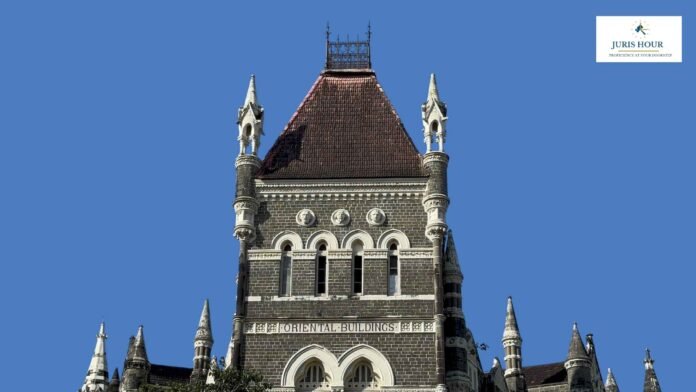
The Bombay High Court has quashed reassessment proceedings initiated in the name of a deceased taxpayer, holding that notices issued under the Income Tax Act after the taxpayer’s death could not sustain the reassessment proceedings.
The Bench of Justice B.P. Colabawalla and Justice Farhan P. Dubash has observed that the Income Tax Department would be free to initiate appropriate reassessment proceedings against the legal heirs if otherwise permissible in law.
The dispute concerned Assessment Year 2016-17. The petitioner challenged a series of proceedings initiated by the Income Tax Department, including a show cause notice dated June 17, 2021 under Section 148A(b) of the Income Tax Act, an order dated July 20, 2022 under Section 148A(d), and a reassessment notice dated July 20, 2022 under Section 148.
The petitioner also challenged the consequential assessment order dated May 3, 2023 and the demand notice issued under Section 156 of the Act.
The principal objection before the High Court was that the proceedings had been initiated in the name of Pratap Lalchand Shah, despite the fact that he had died on September 25, 2018.
The Court recorded that the show cause notice, the order under Section 148A and the notice under Section 148 had all been issued in the name of the deceased taxpayer.
During the hearing, the Revenue informed the High Court that the Income Tax Department had examined the issue and accepted that the reassessment proceedings had been initiated after the taxpayer’s death.
Written instructions issued by Sanjeev Kumar Sharma, Income Tax Officer (HQ) 3(2), Pune, were placed before the Court.
According to the Department’s instructions, proceedings under Section 148 had been initiated in the name of Pratap Lalchand Shah after his death rather than in the name of his legal heir, Nilesh Pratap Sagalia.
The Department specifically recorded that the proceedings had been initiated after the death of the taxpayer on September 25, 2018. It further stated that, in view of the prevailing legal position, notices issued under Section 148 in the name of a deceased person were “non-est” and the proceedings were therefore not valid, even though the eventual assessment had been completed in the name of Nilesh Pratap Sagalia as the legal heir.
While accepting the defect in the existing proceedings, the Income Tax Department informed the Court that the underlying information had arisen from a search and seizure action concerning Renuka Mata Multi Urban Co-operative Credit Society Ltd.
The Department stated that the case could be reopened against Nilesh Pratap Sagalia as the legal heir of the deceased taxpayer, since the quantum involved was stated to be more than ₹50 lakh for the relevant assessment years.
Accordingly, the department requested the High Court to quash the existing assessment proceedings, while retaining the possibility of initiating fresh proceedings in accordance with law.
The High Court allowed the writ petition.
The Court specifically quashed and set aside the show cause notice dated June 17, 2021, the order under Section 148A(d) dated July 20, 2022, the reassessment notice under Section 148 dated July 20, 2022, the assessment order passed under Section 147 read with Section 144 dated May 3, 2023, and the consequential demand notice under Section 156 dated May 3, 2023.
The Court, however, made it clear that the Revenue was not permanently barred from examining the tax liability.
Membership Required to Access Case Details & Order Copy
To view the complete Case Details and Download Order Copy, you must have an active membership. Please subscribe to continue.
Read More: JURISHOUR | TAX LAW DAILY BULLETIN : 18 SEPTEMBER, 2026

